Five key takeaways from the UK Autumn Budget
 1 min read
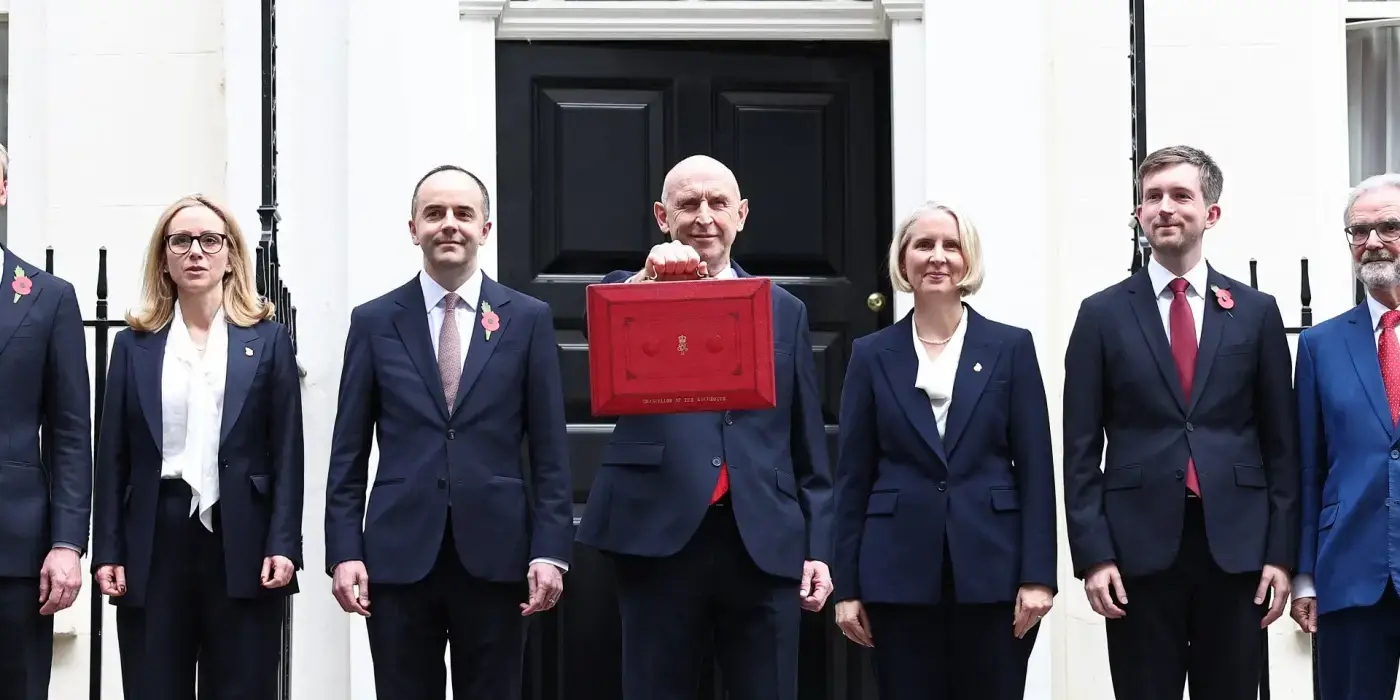
The United Kingdom’s government has announced its first budget since Andy Burnham became prime minister and leader of the Labour Party three months ago.
Chancellor of the Exchequer John Healey unveiled his Autumn Budget on Wednesday, announcing a series of policies that he said were for the “working people of Britain”, who have experienced a dramatic decline in living standards in recent years. Healey said the budget would give the country “breathing space” after years of economic stagnation fuelled by austerity, Brexit, the coronavirus pandemic, privatisation and rising energy prices.
So, what did Healey announce, and what will it mean for the average Brit?
Global fuel prices have soared in recent months because of the US-Israel war on Iran, which has prompted Tehran to close the Strait of Hormuz, a crucial waterway through which about 20 percent of the world’s oil and liquefied natural gas (LNG) would normally transit.
In response, Healey said on Wednesday that 20 million households will receive a one-off payment of 100 British pounds ($133) towards their energy bills. People living in homes valued at 88,000 British pounds ($117,000) or less will receive the payment. The valuations are based on prices in April 1991, not current house prices.
Healey also said a temporary cut to VAT – a sales tax – will be extended until 1 July. The measure will reduce the annual price cap by 50 British pounds ($66.50).
However, James Meadway, an economist and co-director of the left-wing think tank Verdant, told Al Jazeera that these measures will not tackle the cost-of-living crisis in “any serious way”.