Trump DOE loans $5B to nuclear plants that will power data centers
 3 min read
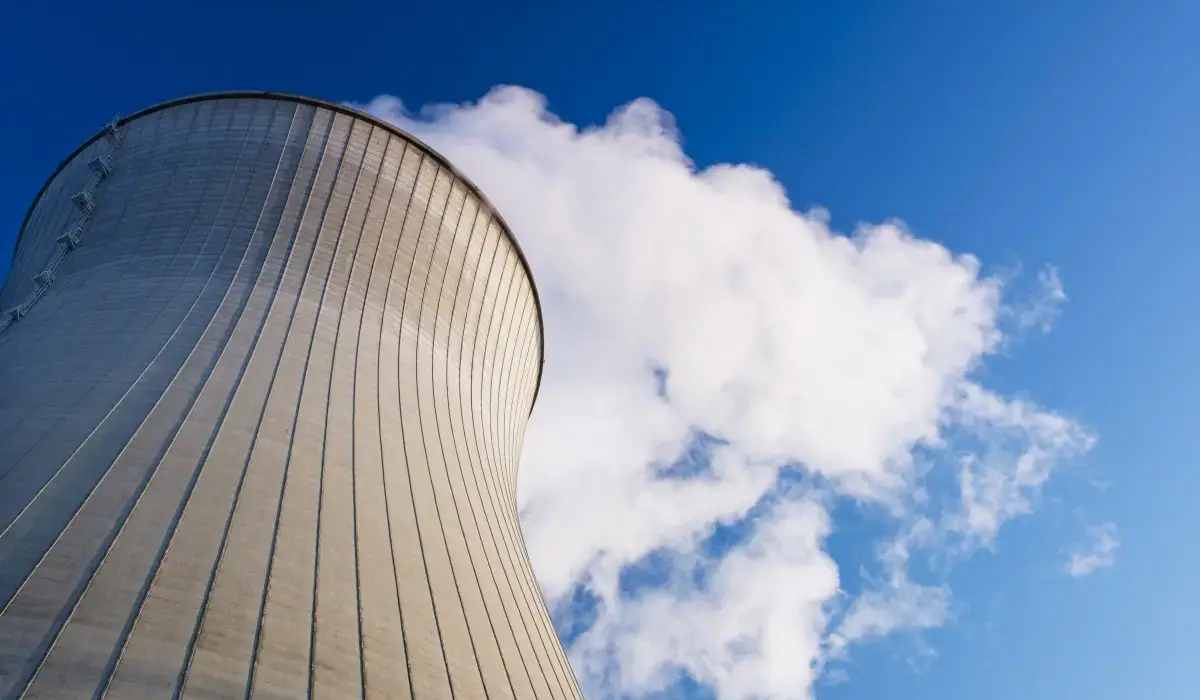
The Trump administration is giving Constellation Energy $5 billion in loans to expand nuclear generating capacity at eight power plants by 1.1 gigawatts.
Most or all of the additional power from seven of those facilities has already been bought by Google, Meta, or Amazon.
Constellation said it plans to use the financing to “uprate” 11 existing reactors, an industry term for expanding capacity at a reactor, often by using more highly enriched uranium and by upgrading equipment to handle the increased power levels.
The energy company said it had already committed to spending more than $7 billion to add 1,080 megawatts of nuclear capacity to deliver power to Google, Amazon, and Meta. The loan commitment, which has yet to be finalized, “could lower financing costs” for the projects, Constellation said in a press release.
The eight power plants include six in Illinois (Braidwood, Byron, Clinton, Dresden, La Salle, and Quad Cities), one in Maryland (Calvert Cliffs), and one in Pennsylvania (Limerick).
Google is already the confirmed buyer of additional power from the Pennsylvania plant and four Illinois power plants, while Amazon is buying electricity from the Maryland plant and Meta is effectively buying the entire Clinton power plant in Illinois.
On Tuesday, the Department of Energy touted the loan as supporting “affordable, reliable power to American homes and businesses,” though there is no evidence that the new nuclear capacity will lower prices for residential ratepayers. Constellation’s announcement does not say whether the projects will maintain or lower electricity rates, and the company would not confirm the government’s claim to TechCrunch.
Hyperscalers, including Google, Amazon, and Meta, have been scouring the grid for additional capacity to support their AI data centers. Tech companies are paying handsomely for energy, committing tens of billions of dollars over the coming years. Given that power has become a competitive advantage, that estimate is probably on the low end.
When you purchase through links in our articles, we may earn a small commission. This doesn’t affect our editorial independence.
Tim De Chant is a senior climate reporter at TechCrunch. He has written for a wide range of publications, including Wired magazine, the Chicago Tribune, Ars Technica, The Wire China, and NOVA Next, where he was founding editor.
De Chant is also a lecturer in MIT’s Graduate Program in Science Writing, and he was awarded a Knight Science Journalism Fellowship at MIT in 2018, during which time he studied climate technologies and explored new business models for journalism. He received his PhD in environmental science, policy, and management from the University of California, Berkeley, and his BA degree in environmental studies, English, and biology from St. Olaf College.
You can contact or verify outreach from Tim by emailing [email protected].
Buy One Pass, Get a Second FreeCover more ground at TechCrunch’s ultimate founder bootcamp of the year by bringing your co-founder or partner for freeBook before the BOGO deal expires
Billionaire Palmer Luckey isn’t leaving California over the wealth tax Julie Bort
Microsoft offers buyouts to around 60,000 employees Aisha Malik
Grok releases the first seven minutes of its AI-generated ‘Odyssey’ Anthony Ha
The AI graveyard: a running list of projects and startups that didn’t make it Lauren Forristal
Hottest toy for Christmas? Nvidia CEO plays with adorable Microduck robots, 20,000 sell Julie Bort
Warhound raises $200M to engineer war dogs and arm them with Anduril gear Dominic-Madori Davis
Uber puts all 30,000 employees on ChatGPT Work Lucas Ropek