Why are US, Russia and China racing to put nuclear reactors on the moon?
 1 min read
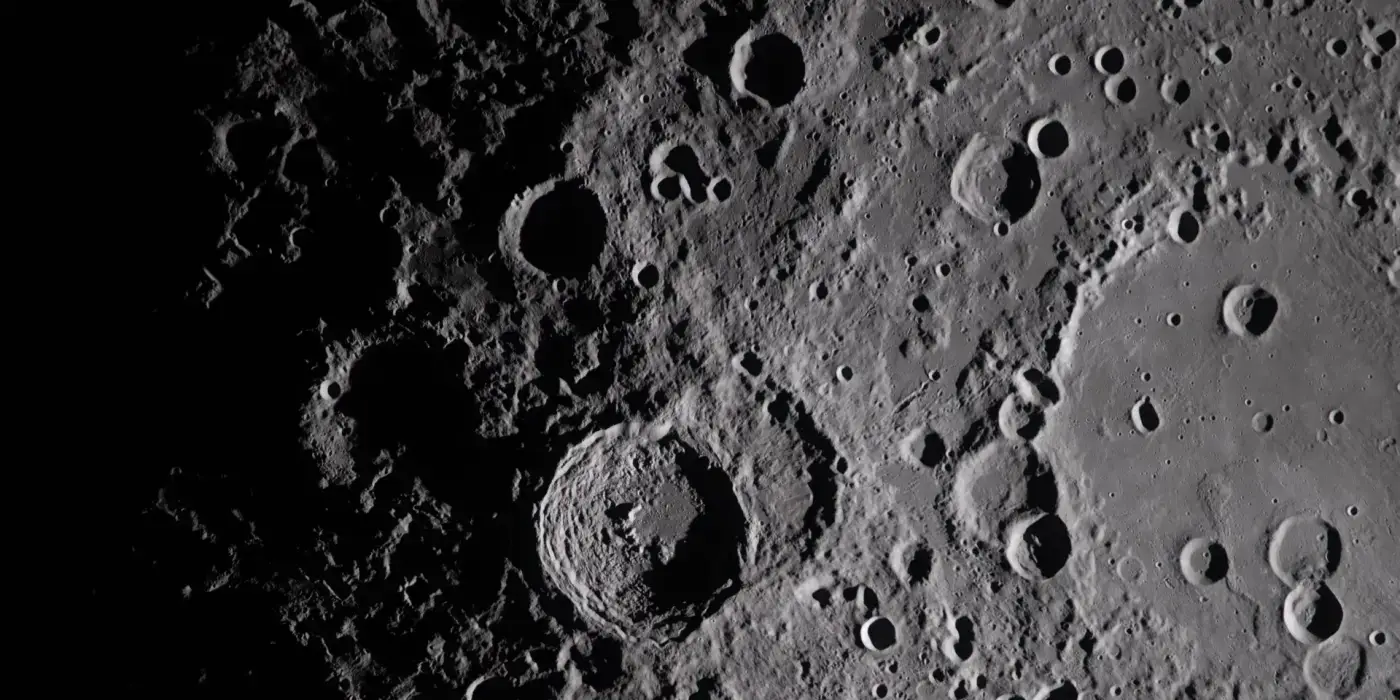
The United States, Russia and China are racing to build nuclear reactors on the moon, as scientists warn about the possible risk of a radioactive mishap.
In January, NASA, the US space agency, announced plans to develop a nuclear reactor on the moon by the end of 2030. Russia, working with China, aims to do the same by 2036 as they strive to advance space exploration.
The reactors will be needed to power mining of frozen water trapped deep in the moon’s craters, which scientists believe could supply drinking water, air, and rocket fuel for future bases. The reactors would also provide power for lunar bases.
The US said NASA’s Lunar Reactor 1 would produce 20 kilowatts of electricity, creating enough power to run on its own for five years without maintenance.
NASA’s reactor is designed to be compact, weighing under 6,000kg (13,200 lbs) and will fit inside a rocket compartment measuring 3.7 metres (12 feet) long by 5.5 metres (18 ft) wide.
Russia is also building a nuclear reactor, which is expected to produce 10 kilowatts. The reactor, called Selena, will be able to run for a decade without maintenance. It will be ready to power a Chinese-led moon base by about 2036.
The Selena reactor is expected to be even lighter than NASA’s, weighing about 1,100 to 1,300kg (2,400 to 2,800 lbs) for an easier and softer landing on the lunar surface.
This would not be the first time nuclear reactors have been placed in outer space.