War, tariffs and China: What the US midterms mean for the Asia-Pacific
 1 min read
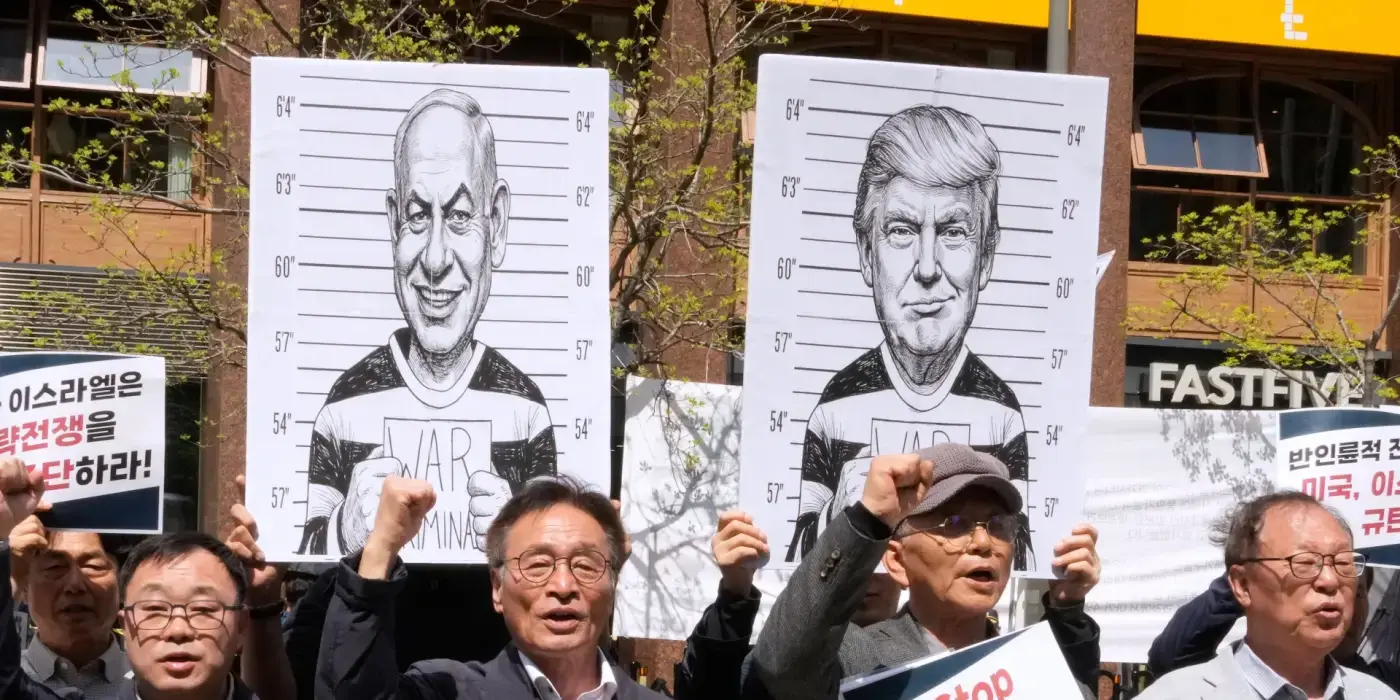
Kuala Lumpur, Malaysia – Across the Asia-Pacific region, governments and businesses reeling from the energy shock of the United States and Israel’s war on Iran are watching Tuesday’s US midterm elections closely.
Many want to see “enormous changes” during the rest of President Donald Trump’s term, analysts say, from the war on Iran to his policies on trade and tariffs. But few expect that to happen, even with the Democrats poised to take the House of Representatives, and potentially the Senate, from Trump’s Republican Party.
“Of course, everybody is watching,” said Steven Okun, a trade specialist and the chief executive of APAC Advisors, a Singapore-based consulting firm. “It’s great political theatre.”
Outside the Middle East, no region has been hit harder by the war on Iran than the Asia-Pacific. Before the start of the conflict in January, the region took in most of the Gulf oil and gas that passed through the Strait of Hormuz.
When Iran closed the chokepoint in response to the US and Israel’s strikes, much of the region was left facing shortages.
The Philippines, which relies on the Gulf for more than 90 percent of its crude oil imports, has been under a national energy emergency since March. Soaring fuel costs have drained the foreign exchange reserves of the region’s poorest economies – Cambodia, Laos, Myanmar and East Timor, according to the Institute of Southeast Asian Studies (ISEAS)-Yusof Ishak Institute in Singapore. Indonesia, Malaysia, Thailand and Vietnam have also spent heavily on fuel subsidies to shield consumers, it said.