US Senate advances major bill boosting energy infrastructure
 1 min read
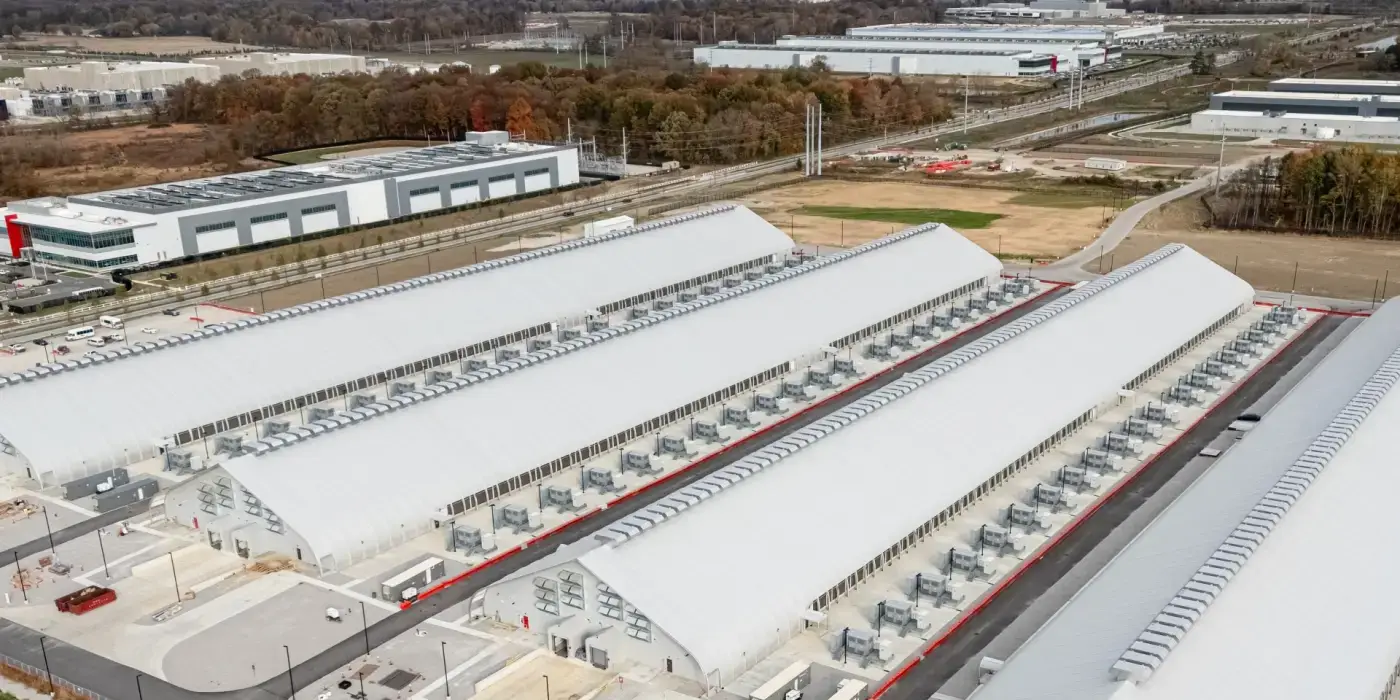
The United States Senate has voted to move forward on a bipartisan bill that would speed up the process to build new data centres and energy infrastructure in the country.
Nearly all of the chamber’s Republicans, as well as more than a dozen Democrats, voted 73-25 on Monday to take up the Bipartisan American Affordability and Jobs Act, which supporters, including US President Donald Trump, have said is necessary to meet the nation’s growing demand for electricity.
“This Bill is a BIG WIN for U.S. ENERGY INDEPENDENCE and DOMINANCE”, Trump posted on social media Monday as he encouraged lawmakers to support it.
The legislation would overhaul the permitting process for major energy projects – both clean energy and fossil fuel-run – across the US, reduce deadlines for environmental reviews and impose restrictions on when projects can be challenged in the country’s courts. It would also force owners of energy-hungry data centres to pay for the infrastructure that is needed to power them.
Growing anger in the US over those facilities’ use in powering artificial intelligence (AI), which has resulted in rising electricity bills for customers across the country, helped fuel last week’s takeover of the US Congress by Democrats.
“The people sent us a very clear message on Tuesday that they expect us to lower the costs in their daily lives,” Democratic Senator Martin Heinrich, the ranking member on the Senate Energy and Natural Resources Committee, said on Monday. “We don’t have to wait for the new Congress to start lowering costs. We can do that today.”
Authors of the bill claim it will provide $19bn in savings on residential electricity bills through 2040. The number of solar and wind projects connecting to the US electric grid would be doubled, with data centres paying $55bn over the next 10 years to cover their power usage.