When tech founders leave, what happens to their companies?
 1 min read
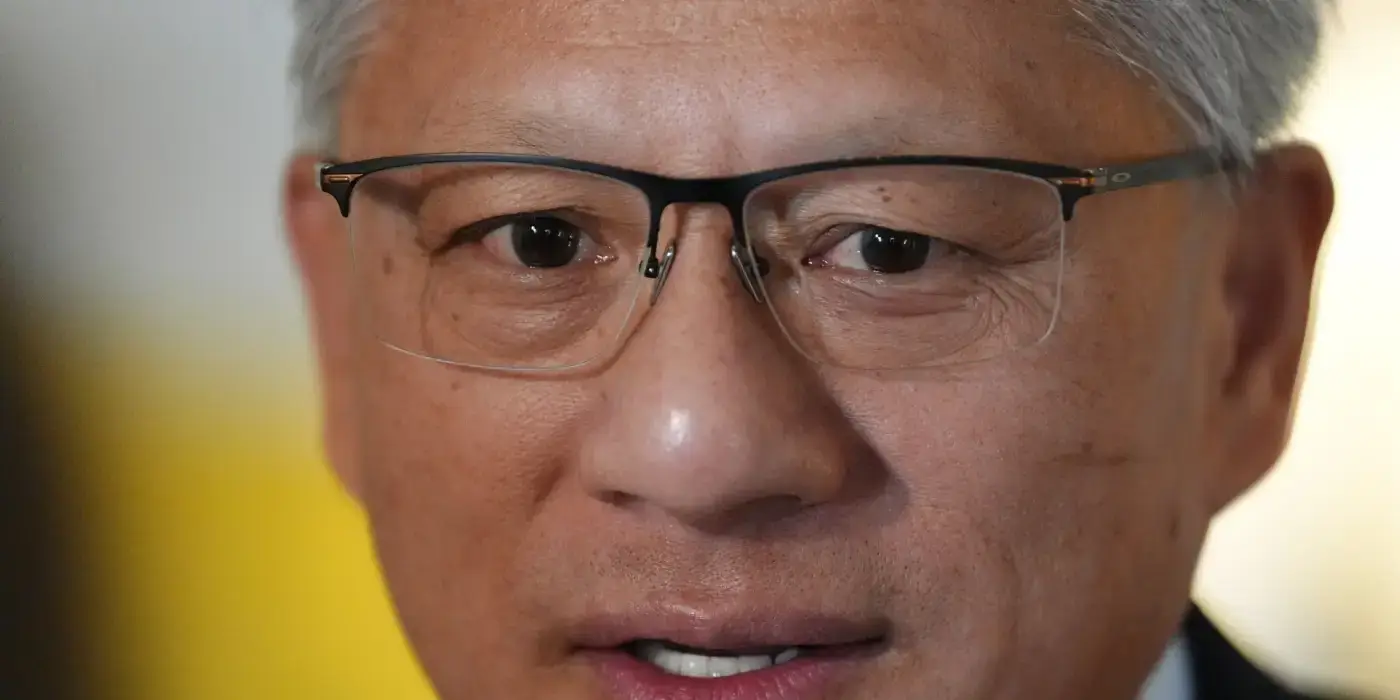
In the wake of Jensen Huang’s resignation as CEO of the artificial intelligence giant Nvidia, the company has brought in a new interim chief, Colette Kress, who has been with the company since 2013.
Along with Kress, the AI bellwether appointed its first-ever board chair, Harvey Jones, a venture investor with three decades of tech industry experience.
The changes mark a major overhaul of Nvidia’s corporate structure and leadership, which Huang has dominated since cofounding the AI chipmaker in 1993. A powerful figure in Silicon Valley, he stepped down on Thursday following reports of his affairs with a suspected Chinese intelligence operative and two employees that have drawn scrutiny from United States lawmakers, the company’s board and shareholders.
Despite the shakeup, the question remains how much of Nvidia’s nearly $4 trillion value was pegged to its longtime leader, who is synonymous with the company’s exponential growth. Dan Ives, an analyst at Yorkville Ives, predicted that Nvidia’s value could decline 25 to 30 percent without Huang at the helm.
Historically, executives across corporate America have been beholden to shareholders, who hold executives accountable. In Silicon Valley, however, companies have often been built around a founder’s vision – as was the case for Nvidia.
Analysts have long maintained that the success of companies like Nvidia hinges on the success and vision of their founder. A report from Bain and Company found that founder-led companies perform 2.1 times better than companies that are not led by their founders between 2015 and 2025, and when it comes to tech, that jumps to 2.6 times.