US moves to block China’s remote access to AI chips amid Nvidia scandal
 1 min read
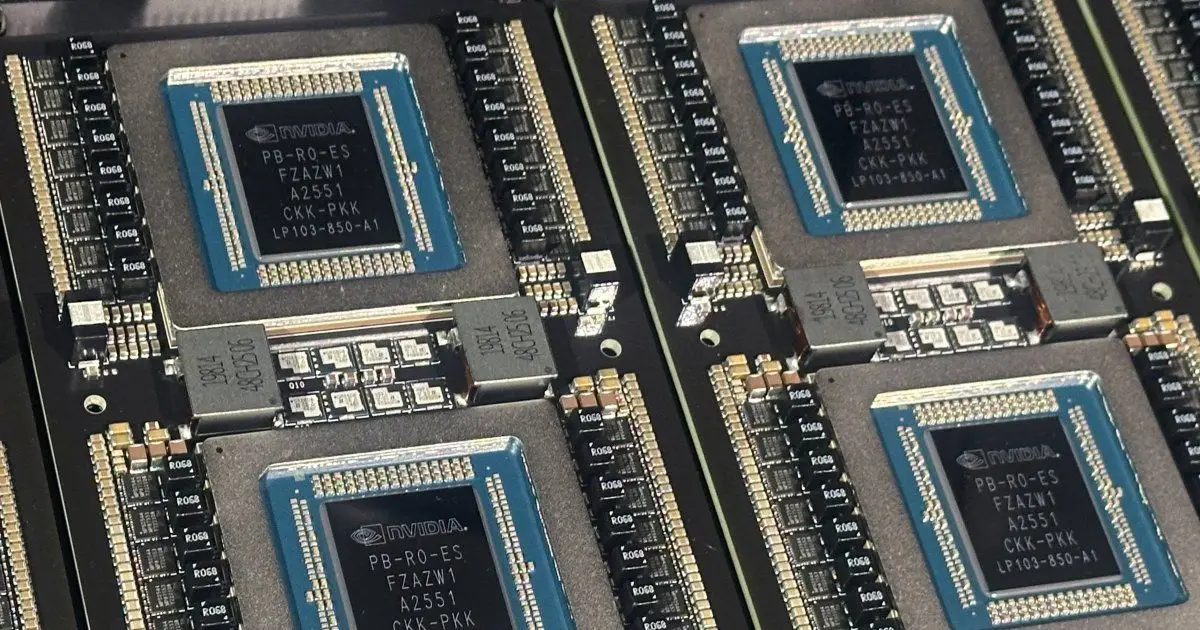
United States President Donald Trump’s administration has announced new restrictions on China’s access to advanced chips amid fallout from the alleged spy scandal involving AI giant Nvidia.
The rule announced by the Bureau of Industry and Security (BIS) on Monday aims to prevent Chinese AI developers from getting around export controls by remotely accessing data centres in third countries, particularly in Southeast Asia.
It designates Indonesia, Malaysia, Singapore, Thailand and Brazil as countries with an “unacceptable risk of diversion” and requires anyone seeking to ship advanced chips to those destinations to obtain an export licence.
BIS, which sits under the Department of Commerce, said the change was a “logical extension” of the existing requirement for companies to obtain a licence to export or transfer chips to firms based in China.
“The United States is the global leader in advanced computing and super intelligence technology and is committed to promoting the global adoption of American technology for legitimate commercial purposes while ensuring that sensitive technologies are not exploited in ways that threaten US national security,” BIS said in a statement.
While Chinese firms are barred from importing the most advanced graphics processing units (GPUs) under US export controls, they had until now been legally able to take advantage of remote access to top-of-the-line computing power at data centres in countries such as Singapore, Malaysia and Thailand.
Singapore, which hosts dozens of data centres, said on Tuesday that it was “studying the details of this new measure carefully”.