Netanyahu’s last stand and the dangerous politics of survival
 1 min read
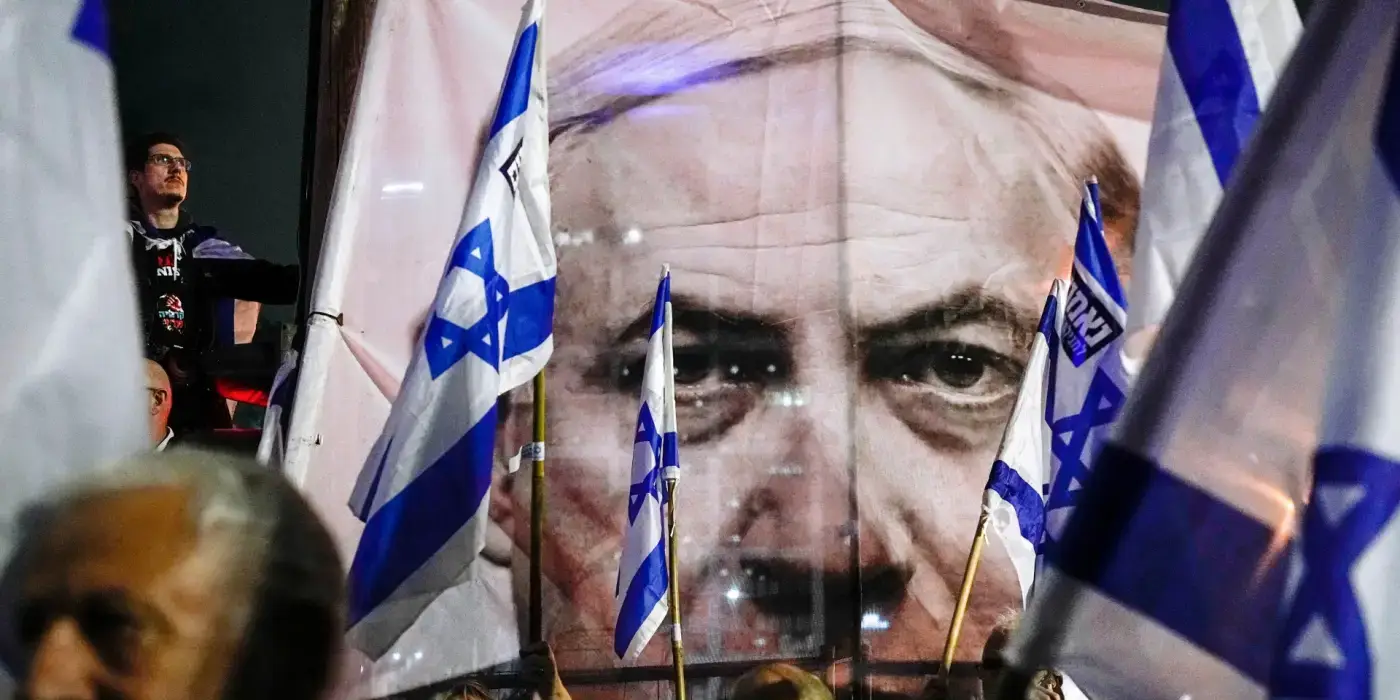
Israel’s caretaker Prime Minister Benjamin Netanyahu has used the weeks since Israel’s October 27 election to launch a series of attacks on his opponents, and has called into question the legitimacy of the vote’s result.
The longtime Israeli leader is likely on his way out of power – as long as the country’s opposition, led by Gadi Eisenkot, can form a viable government.
That may involve leaning on parties representing Palestinian citizens of Israel, and Netanyahu has taken the opportunity to use that to tarnish the reputations of the Arab parties, and baselessly accuse them of cheating in the elections.
The environment that Netanyahu has helped generate has led to right-wing protesters threatening civil war, and critics have also accused him of deliberately fomenting war with Iran to retain office.
Separately, the Shin Bet domestic intelligence agency, led by Netanyahu’s ally David Zini, reportedly sought permission to tap the phones of five Arab lawmakers over suspected foreign interference, and to have politicians who are Palestinian citizens of Israel arrested on election day, requests the attorney general rejected.
Opposition leaders including Yair Lapid and Joint List chief Yousef Jabareen said the measures were evidence of an “attempted coup”. Meanwhile, law enforcement officials are said to be investigating whether the prime minister’s office itself fabricated the allegations of vote-buying.
For analysts and a number of Israel’s politicians, Netanyahu’s actions reflect an overriding determination to stay in power, or, failing that, engineer a government that is reliant on the support of him and his allies.
Netanyahu faces numerous threats to both his legacy and even his freedom that, without the kind of influence he has wielded as prime minister, could prove far-reaching.