Occupied West Bank ‘military zones’ become de facto Israeli settler land
 2 min read
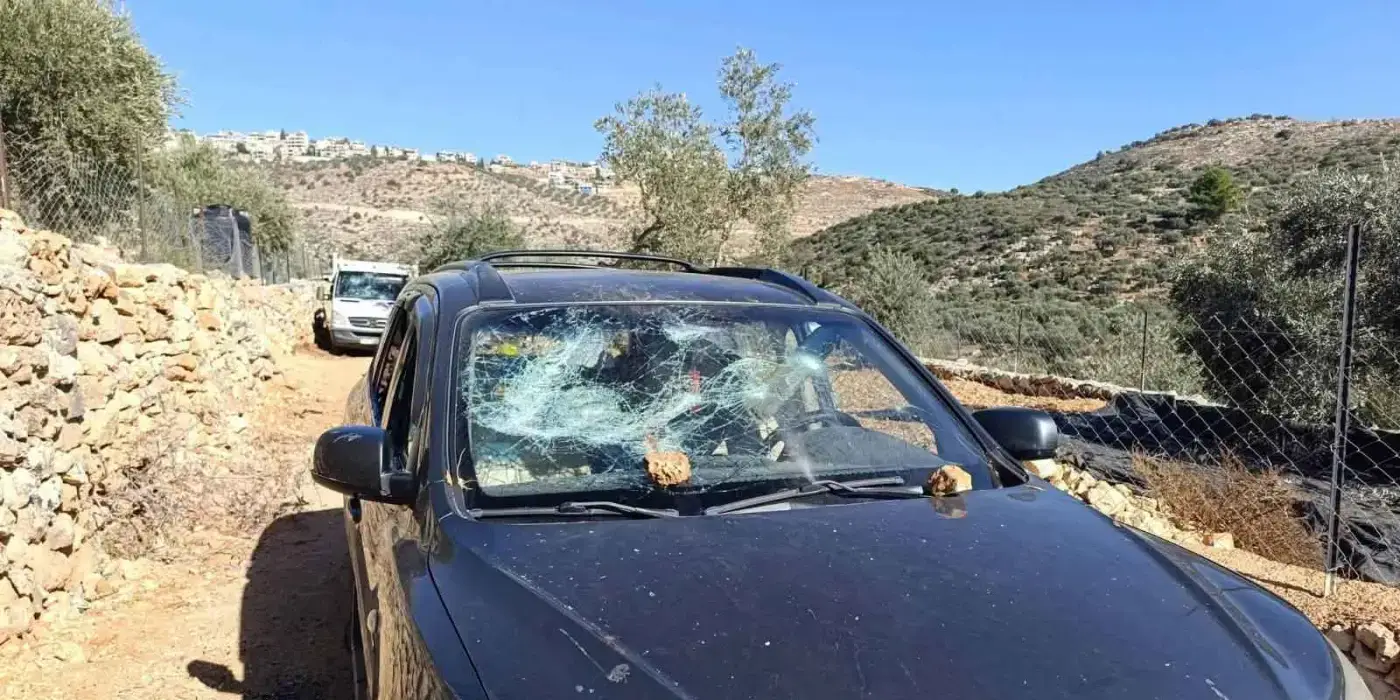
Ramallah, Occupied West Bank – Saleh Zahran had a room on his family’s land with a television, a fireplace, a fridge and solar panels. The kids would play in the groves, and the men stayed up late at night watching the stars.
“We’d cook, eat, drink, spend a whole day from morning to sunset,” he says.
Zahran, 39, inherited the farmland, with 120 olive trees, in Deir Abu Mishal, a village west of Ramallah, from his grandfather and father, splitting it among his brothers.
Between 70 and 80 percent of people in the village, which falls in Area B, under joint Israeli-Palestinian control, live off the land, and just a few years ago, there were no settlers nearby.
“We’d come and go whenever we wanted, pick our fruit at our own pace, sell, build, and marry off sons from the olives. Now, it’s all gone,” he told Al Jazeera.
Since settlers set up an outpost in Area B about 1km from his land in June, nobody in his family had been able to reach it. Settlers attacked their cars, and his elderly father was pepper-sprayed while trying to reach the farmland, he says.
On November 10, an Israeli High Court decision granted the village two days of army “coordinated” harvesting, something once unthinkable in Area B.
Zahran set out with his brothers to reach their lands for the first time in five months, but about 20 settlers came at them. They threw stones, smashed the family’s truck and his brother’s four-wheeler and slashed the tyres. He saw no soldiers, and police never arrived despite their calls.
The next day, the army and its liaison office were present. But farmers were held up until about 9am, shown a map of permitted areas, and told to leave by 2:30pm. Ghiyath Nasser, their lawyer, says villagers could reach less than a third of the area in question, so Zahran could harvest only about 20 of his 120 trees.
After five months, Zahran finally reached the farm room that day only to find settlers had stolen or smashed his belongings and were drawing water for their sheep from the two wells he had restored. The saplings he had planted last year had died of thirst.