What Nvidia’s Jensen Huang’s return means for Washington and Wall Street?
 1 min read
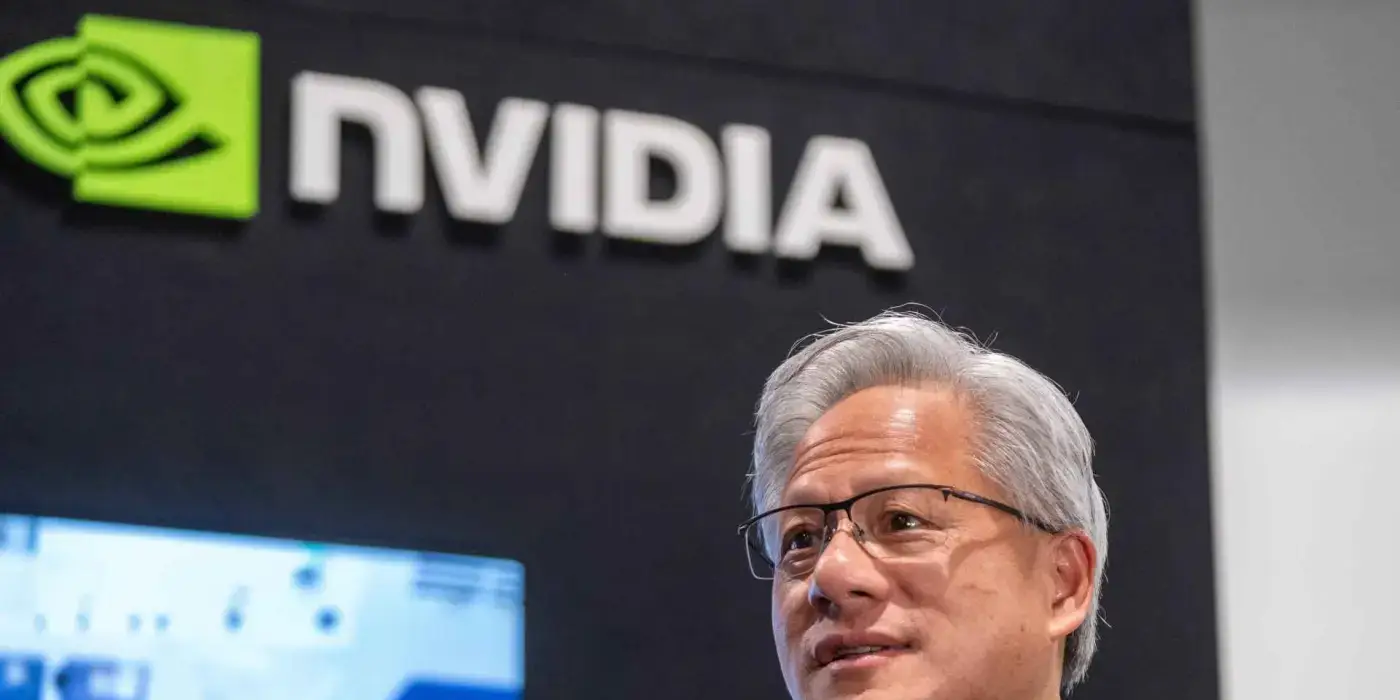
Nvidia founder Jensen Huang’s dramatic return to the helm of the world’s most valuable chipmaker, less than two weeks after his resignation, has sent the company’s stock soaring.
At the same time, the White House’s involvement in his reinstatement has raised questions about Silicon Valley’s growing sway in Washington, with United States President Donald Trump claiming to have been a linchpin in the decision.
The saga began less than two weeks ago when Huang resigned amid reports of extramarital affairs, including with Alice Huang, a woman alleged to be a Chinese spy.
Beijing has denied that Alice Huang is a spy. She previously led Megaspeed, a company that had a business relationship with Nvidia, the Santa Clara, California-based tech giant.
Nvidia’s board had begun an investigation into the allegations, but Huang resigned before it reached a conclusion.
In his absence, Chief Financial Officer Colette Kress took over as interim chief executive while the board searched for a permanent successor.
However, Huang’s departure quickly prompted a backlash from influential figures in Silicon Valley. A petition calling for his reinstatement attracted more than 180,000 signatures, including that of SpaceX CEO Elon Musk.
Analysts also warned that losing Huang could significantly undermine Nvidia’s market value. Dan Ives, managing partner at Yorkville Ives, estimated that Huang’s departure could wipe as much as 30 percent off the company’s valuation.