Why are families going hungry in northern Yemen even where food is on sale?
 1 min read
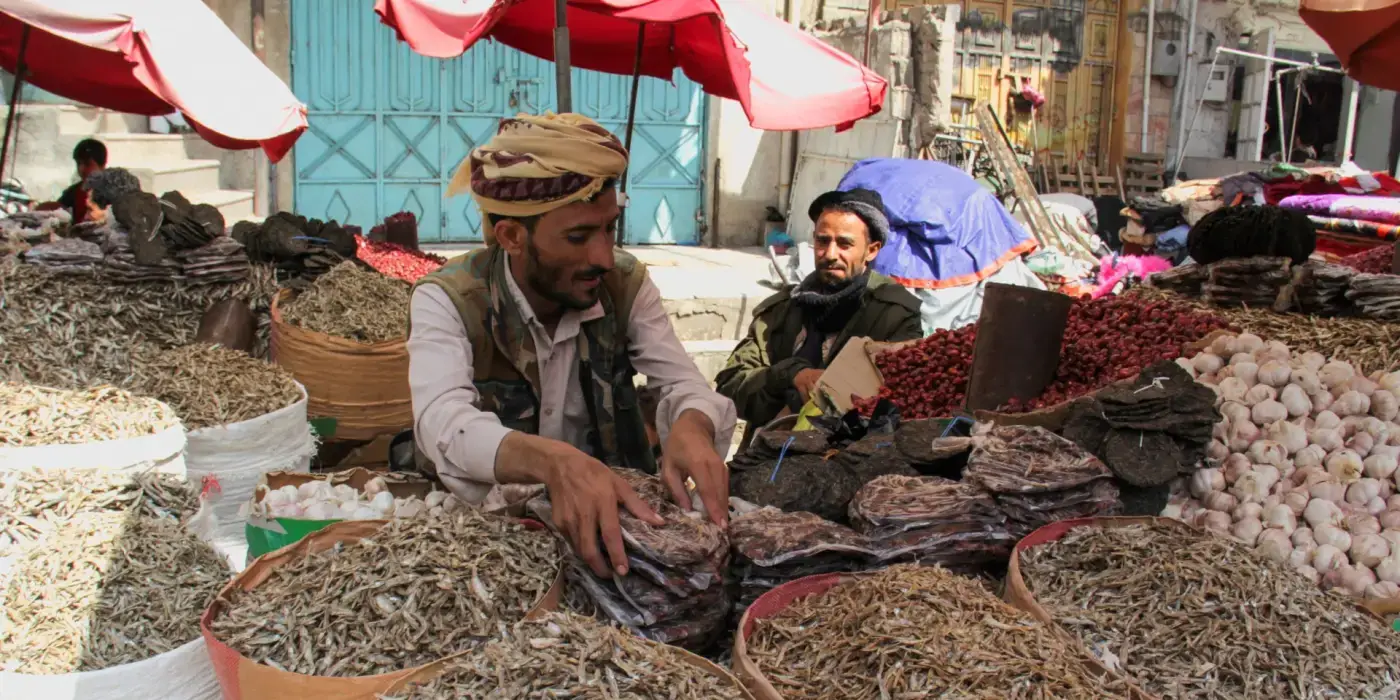
Umm Sami, a widow raising four children in Yemen’s Red Sea port city of Hodeidah, sells household goods and takes on occasional domestic work to feed her family. Rising prices have changed how she shops. “Sometimes we buy a little flour or oil that lasts just one day because we cannot afford a whole bag,” she told Al Jazeera.
Food is still on the shelves. It was available in the markets that monitors could reach in September, but families had less money to spend, according to the Yemen Joint Monitoring Report, a humanitarian and food security assessment. Across Houthi-controlled areas like Hodeidah, a basket of basic foods cost about 7 percent, or $91, more that month than in August, its highest level in a year.
Families on both sides of the front lines are struggling, and prices are rising faster in the government-held south, according to the Famine Early Warning Systems Network (FEWS NET). What sets the Houthi-controlled north apart is how little families there can earn and how little help is left.
Most households in and around northern towns find only five to 10 days of paid work a month, FEWS NET reported in October. The UN World Food Programme’s (WFP) food assistance in Houthi-held areas has been suspended since September 2025, FEWS NET said. By mid-September 2026, WFP had begun a distribution round in government-held areas that aimed to reach about 1.7 million people.
In the last nationwide hunger analysis by UN agencies and their partners, published in mid-2025, the only people projected to face catastrophic hunger, about 41,000, were in four districts of Amran, Hodeidah and Hajjah governorates – all under Houthi control.