The perfect storm behind Congo’s deadliest Ebola outbreak
 5 min read
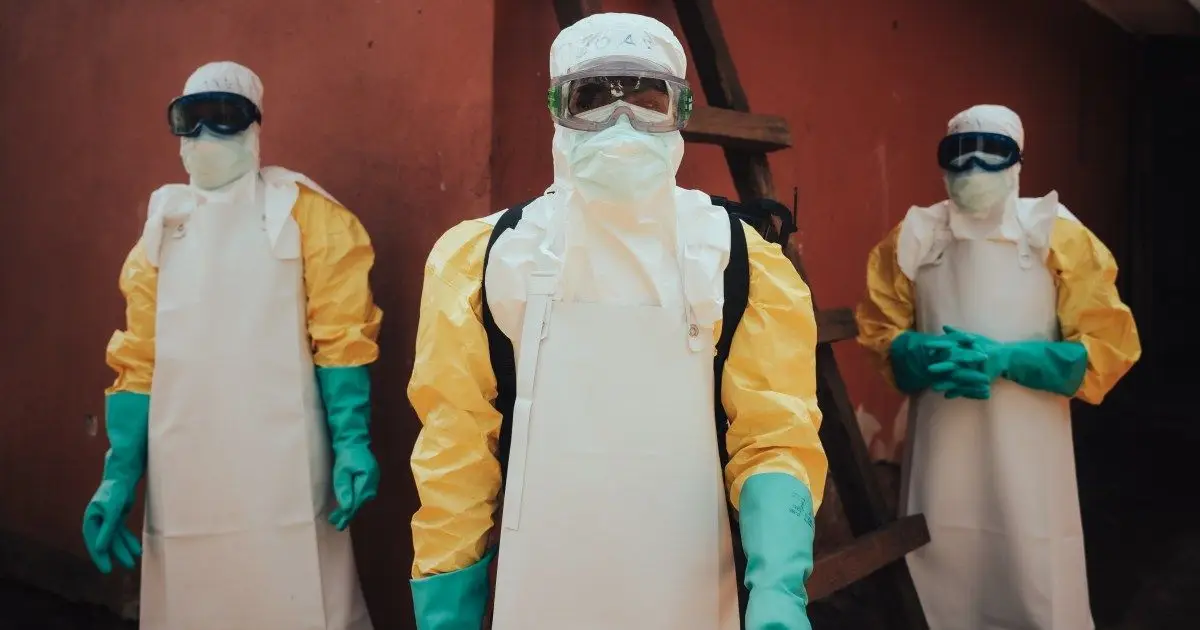
On July 21, 2026, Emily Vandamme, a doctor with Medecins Sans Frontieres (MSF), was getting ready to enter the suspect ward, the small building that houses patients with suspected Ebola who are awaiting their test results. It was the second week of the Belgian physician’s month-long field mission with the Elikya Ebola treatment centre in Bunia, the largest city of the Ituri province in the eastern Democratic Republic of Congo.
Because all possible Ebola cases go through this process, the small building often holds some of the most critically ill patients in the entire facility. The exhausted night team had just been forced to leave the ward after more than an hour inside. Their masks were soaked with sweat, and their goggles were so fogged that they could not safely care for patients.
Vandamme knew a woman inside who had just given birth and was bleeding out fast, but she could not rush into the ward. Entering the red zone, where infectious patients are isolated, requires a meticulous dressing ritual in which safety and focus are paramount. So, despite urgent calls coming from inside the treatment area, Vandamme had to remain completely calm while putting on her protective gear, which resembled a spacesuit. Every layer had to be checked, and she needed to hydrate and be disinfected, a process that takes at least 15 minutes. Rushing leads to mistakes, and around Ebola, a single misstep can be deadly.
When she finally entered along with her Congolese colleague, Daniel Lomonobo Anigiza, she found the woman in shock and covered in blood. Agitated and barely aware of her surroundings, the patient reached for the medical workers, who had to stop her from tearing their suits or pulling off their masks.
“Luckily, I’m quite tall, so she couldn’t reach my face,” Vandamme said.
Another heavily pregnant woman and her 17-month-old son, Bahati Prince, were in good shape but had watched the scene in horror. Next to them were three other patients, all in critical condition owing to a severe drop in blood sugar, a common complication in advanced Ebola cases.
“We were two doctors, facing four emergencies at once,” Emily recalled, speaking anxiously and in great detail, as though reliving every moment. Because there was only room for two people to put on their protective gear in the buffer room, they had to face the mayhem that day, at least initially, on their own.
While Daniel attended to the sugar-deprived patients, Emily tried to stabilise the new mother and insert an intravenous drip. Her newborn daughter was bundled up on a chair in the corner. When reinforcements finally arrived, a midwife and a nurse took over the mother’s care and Emily was able to turn her attention to the baby.
“I was afraid to look, but to my surprise she was warm and pink, doing amazingly well,” she said.
Vandamme cradled the little girl to keep her warm, while trying to arrange an urgent transfer to another hospital, hoping it would give her a fighting chance. There, she might be able to receive an experimental Ebola treatment as part of a clinical trial. At that time, only five babies in similar circumstances were known to have survived Ebola, an MSF gynaecologist had informed her.
Emily urged the team outside the ward to prepare an ambulance.
“Just as I walk back into the room with her newborn baby, the mom passes away,” she said. “Her name was Mave …”
“All we could think was: ‘We’ve lost the mother, but we have to do everything we can to save her baby'. ”
Before they could act, one of the three patients with low blood sugar suddenly collapsed and died. Moments earlier, the young man had been eating and walking around, seemingly revived by a dose of glucose.
Vandamme was still holding the newborn, desperately looking for someone to take her. Fortunately, a home nurse who had already survived Ebola — and was thus largely immune — arrived. The woman often stayed in the clinic to care for the infected children.
The young man who had just died had collapsed in front of her. Now, out of nowhere, her son's condition had taken a turn for the worse. She was clutching the barely responsive toddler, begging Vandamme to help.
Despite the risk, Vandamme could not bring herself to abandon them. She asked a nurse to disinfect her bloodstained sleeves inside the red zone, then managed to insert an IV with lifesaving glucose and fluids into the boy. Slowly, he began to respond, and Vandamme rushed to the exit.
“Once we were outside, my coworkers and I just stared at each other blankly, trying to grasp what we just had witnessed,” she said.
They were all completely worn out, but the ordeal was far from over.
That same day, Vandamme went back in for two more difficult shifts, checking on Prince whenever she could. The little boy tested positive for Ebola, but surprisingly, his mother was negative. Despite the increased risk of infection amid her advanced pregnancy, she refused to leave her son’s side.
“In the days after, she was a stellar caretaker,” Emily explained. “She guarded his IV like a lioness and constantly tried to get him to eat and drink, although he could barely swallow.”
Gradually, the little boy recovered, and a few days after the crisis, he sat upright. Some food was staying in his tummy, and he even tried to play. When Vandamme saw them through the window, the mother smiled and waved proudly.
Then Prince’s mom had to be transferred to another clinic to give birth. When Vandamme arrived for her morning shift, the doctor she was relieving assured her the boy was still going strong. She was euphoric — finally a glimmer of hope. She headed straight to his room, eager to witness the miracle with her own eyes.
Instead of finding him upright and playing, however, she found Prince in his bed, lifeless and alone. Presumably, he had died from a sudden drop in blood sugar. Whether his mom’s constant care and feeding could have saved him is a question that Vandamme said would haunt her.
“Ebola is horrifically ruthless,” she said softly. “I never asked how his mother’s delivery went. At that moment, ignorance was bliss.”