Tehran municipality accused of ‘overstep’ after launching welfare projects
 1 min read
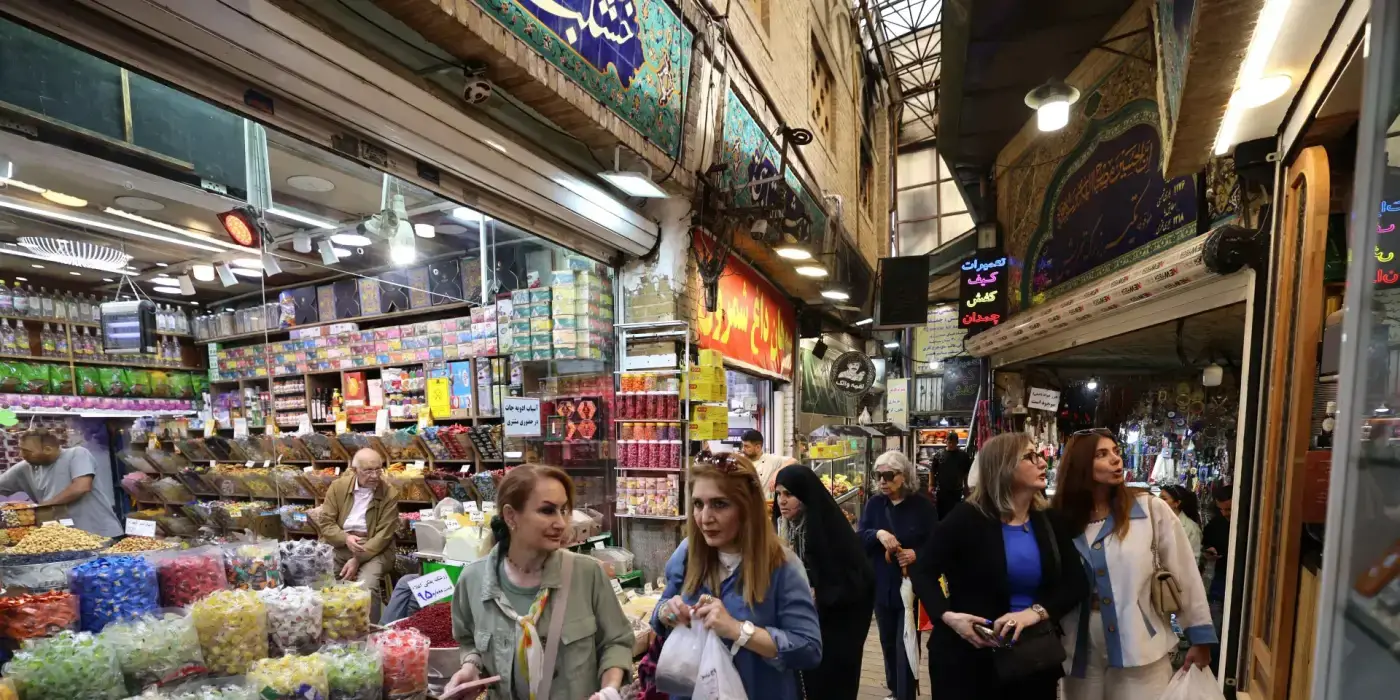
Tehran municipality has launched a series of welfare initiatives to help residents cope with soaring living costs, but the measures have raised questions about their financing and effectiveness, as well as whether the local authority is taking on responsibilities better handled by Iran’s national government.
The local authority has launched four projects it says are aimed at protecting citizens, including a housing project, freezes on the prices of 12 basic goods, and a maternity package.
Questions have been raised about how they will be funded and whether the municipality is overstepping its traditional functions.
In Iran, municipalities are responsible for local services and urban management, while the national government oversees broader economic policy, including efforts to control inflation.
Iranian law does give municipalities some responsibilites beyond conventional urban services, but Article 55 of Iran’s Municipal Law does call for municipalities to provide for public food markets, make certain essential goods more affordable, and provide social welfare facilities and low-cost housing.
The dispute is therefore less about whether Tehran municipality can provide the services, and more about their scale and financing.
The municipality’s price-freezing initiative, dubbed the “Zero Inflation” project, has been the most controversial. It comes as year-on-year inflation reached nearly 90 percent last month, while annual food inflation hit 108.8 percent.
Doubts have been raised about how the project will be funded and its effectiveness. Others believe that the measures could fuel inequality between the capital and other cities.