Toxic algorithms wouldn’t let them go – now Australia wants an off switch
 6 min read
Warning: This article contains an account of living with an eating disorder
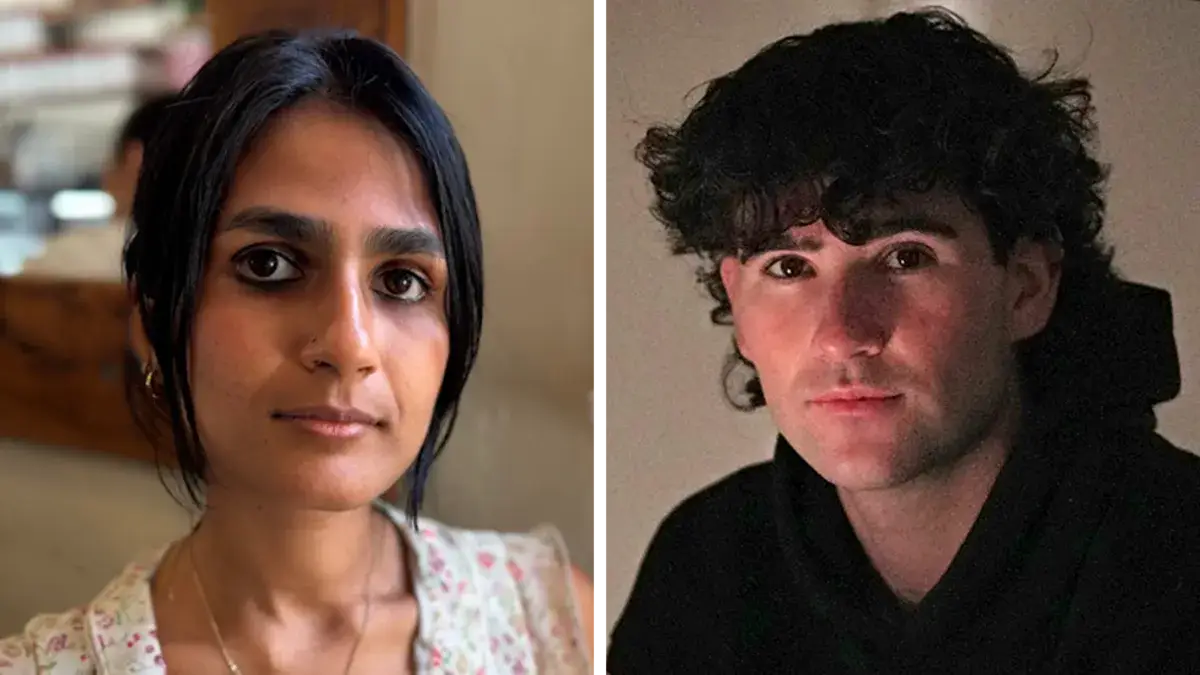
Varsha Yajman was already self-conscious about the way she looked when she joined social media as a 13-year-old.
Every night as she fell asleep, Varsha would watch a stranger on the internet diarising what they'd consumed that day.
"I was like, 'I don't need to eat. I can just watch other people eat'," Varsha tells the BBC.
"I would find that I'd be down these really deep rabbit holes… it was like no matter how hard you tried to get out, you couldn't."
Now 24 and in recovery from anorexia, Varsha says she is still served weight loss content on social media – despite having every safety setting turned on, and an exhaustive list of banned words.
It is people like her the Australian government says it is trying to protect with a new suite of laws cracking down on big tech, which were introduced to parliament this week.
The centrepiece of their proposed reforms: an algorithm switch which would force social media platforms to let users turn off recommended content. The idea is that you would only see posts from accounts you follow.
It isn't the first government to try this, but existing algorithm controls are often transient and come with trade-offs in app functionality.
Australia has set out to make its legislation tighter to stop this. And it hopes its new laws – which would also impose a legal duty of care on online services – will help Australians become happier and healthier.
But critics are concerned Prime Minister Anthony Albanese's government has bitten off more than it can chew in its fight with big tech, while others, including the Trump administration, say the reforms threaten free speech.
Flynn Martin knows what it is like to be sucked into an algorithmic spiral.
Self-proclaimed misogynist influencer Andrew Tate and other manosphere figures started overwhelming the then-20-year-old's social media feeds about four years ago.
It was a time when Flynn, who was eventually diagnosed with bipolar disorder, was insecure, frustrated with his life and struggling with his mental health. He says he fell for the rhetoric.
He soon went viral in Australia for two videos: one ranting about whether it was OK to be a straight white male, and another where he criticised a date for her frozen yoghurt order.
"You find yourself in like a bit of an echo chamber… It's easy to get swept up in that," he tells the BBC.
"I really bought into the idea we were living in this matrix, we had this really negative system that was designed against you. And the only way to break out of it was becoming this alpha male character."
The Melbournian was only pulled from the manosphere after a period of psychosis and a hospital stay.
Nowadays, he finds it tough to look back at that version of himself: "While there's a bit of shame and embarrassment… I think there is a bit of empathy for that younger man."
Both Flynn and Varsha know social media alone isn't to blame for the worst chapter of their lives, but say it was a key factor.
Countless others have stories of being confronted by social media content they didn't seek out, and didn't want to see – and there's long been suspicions the algorithms curating these platforms are harming users.
Social media firms argue the potential risks are being overstated and that they already provide users with effective safety tools.
But research emerging from around the world has been sketching a different picture.
Studies have found social media use triggers a similar brain response to gambling and substance addiction, external; that algorithms – often unsolicited – serve up content which harms users' mental health, external, and that they're spreading disinformation and increasing polarisation, driving violence offline.
Court cases and whistleblowers have aired claims that these companies know the dangers and are willing to overlook them as this technology lifts user engagement and their bottom line.
"The result is that they promote content that is outrageous or that invokes strong emotions from people – so it might be anger or fear or desire or lust or insecurity, whatever it is, it's going to keep us scrolling," Chanel Contos tells the BBC.
While studying the topic at university, the activist – who helped reform sexual consent education standards in Australia – came up with a campaign for change.
"Fix Our Feeds" demanded recommended algorithms be turned off by default, and social media users be given the choice to opt into them.
Contos envisaged a nostalgic return to the social media of the early 2010s – a time when a person's social media was filled with posts from friends or people they actually followed and their feeds were finite.
More than 15,000 people signed her petition, and the campaign also won the backing of two former prime ministers, several MPs, influential figures, mental health advocates, and online safety experts.
The government in September said it had listened to the Australians who had backed Contos's campaign, and announced a version of her proposal: forcing big tech to introduce an algorithm switch – but stopping short of requiring it be automatically set to off.
"This is not about giving government control, it is about giving people control," Albanese said.
"If people want to doom scroll… that's fine, that's up to them."
Meta hooked children on Facebook and Instagram, US court hears
The policy is part of the government's Digital Duty of Care bill, which would require online services – social media firms, gaming sites, chatbots and more – to "ensure, so far as is reasonably practicable, a safe online environment".
Children must be protected from "harmful" material and design features – for example, pornography and material which encourages eating disorders or harmful attitudes towards women – and adults must be protected from "seriously harmful" material and conduct, a much narrower list of illegal content. Breaches of the law could attract fines of up A$100m (£52m, $70m).
"The digital duty of care answers a lot of the 'what abouts' of the social media minimum age law because it's much broader; it captures all online services and it shifts the onus of responsibility from the shoulders of victims onto the shoulders of the big tech operators who seek to make money off Australian users," Communications Minister Anika Wells told the BBC.
There's been a muted response from big tech. Meta, Snap, TikTok, X and Google, which owns YouTube, have all declined BBC requests for comment, and have not made public statements about the legislation.
In the days after the announcement, Instagram boss Adam Mosseri argued non-algorithmic feeds would mean users saw fewer posts from friends, and said he didn't believe his app was addictive – although a US jury recently ruled otherwise.
"I think we conflate the way we colloquially use the word 'addicted' – like, 'I'm addicted to this show, and I'm binge-watching it' – and clinical addiction," he told a press briefing in Sydney.