SpaceX reportedly wants to buy Boost Mobile to compete with AT&T, T-Mobile, and Verizon
 2 min read
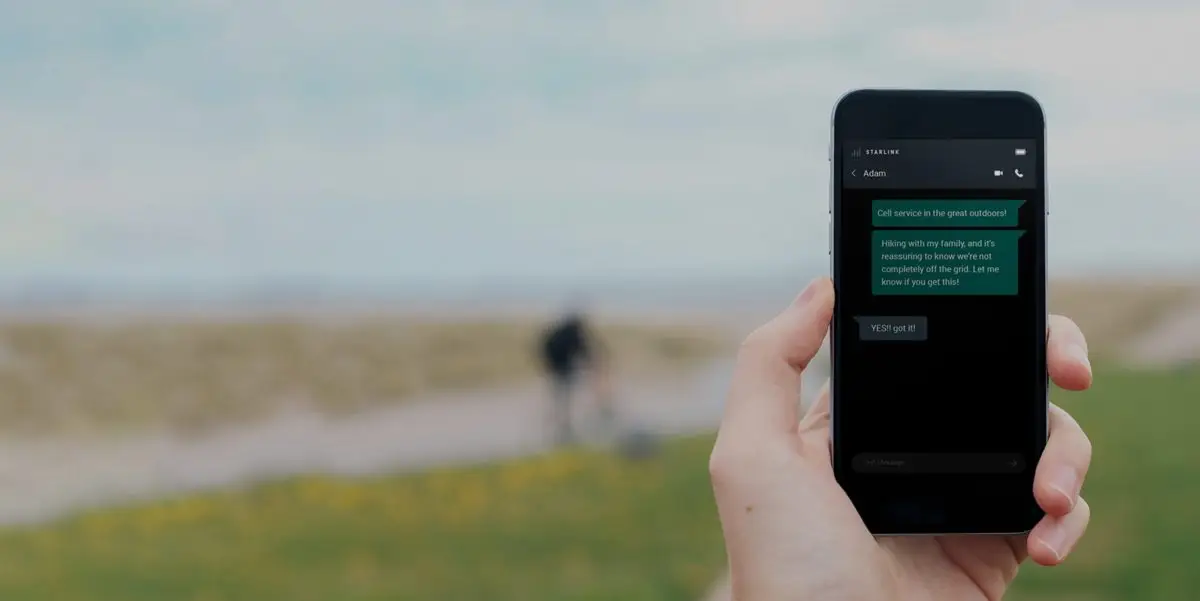
SpaceX is looking to buy Boost Mobile from EchoStar, according to a report from The Washington Post. If the deal goes through, it would help the Elon Musk-owned company build a hybrid cellular-satellite network that could help catapult it into fourth place among the top U.S. wireless providers.
“This is the last critical piece of the spectrum puzzle needed for SpaceX to provide complete phone coverage in America,” Musk said on X at the time of the spectrum acquisition. Yet, if Musk is still looking to buy access to terrestrial networks, it apparently wasn’t the last piece.
Elon Musk, SpaceX’s CEO, reportedly spoke directly with EchoStar chairman Charlie Ergen in October about acquiring Boost Mobile, the mobile virtual network operator. EchoStar has about 7.5 million customers between Boost Mobile and Gen Mobile, its other mobile service offering.
Musk has also approached AT&T, T-Mobile, and Verizon about buying capacity on their networks. All three rejected Musk, and they may still have a say in a SpaceX acquisition of Boost Mobile. Boost doesn’t operate its own towers, instead leasing capacity from AT&T and T-Mobile, which might need to approve such a deal. Sources speaking to The Post said that network leases are usually nontransferable.
Gaining access to towers leased to Boost Mobile would expand coverage significantly — Boost currently covers most of the 48 contiguous states in the U.S. — allowing Starlink to cover devices when they’re outdoors and relying on cell towers to handle devices when Starlink signals can’t reach them.
When you purchase through links in our articles, we may earn a small commission. This doesn’t affect our editorial independence.
Tim De Chant is a senior climate reporter at TechCrunch. He has written for a wide range of publications, including Wired magazine, the Chicago Tribune, Ars Technica, The Wire China, and NOVA Next, where he was founding editor.
De Chant is also a lecturer in MIT’s Graduate Program in Science Writing, and he was awarded a Knight Science Journalism Fellowship at MIT in 2018, during which time he studied climate technologies and explored new business models for journalism. He received his PhD in environmental science, policy, and management from the University of California, Berkeley, and his BA degree in environmental studies, English, and biology from St. Olaf College.
You can contact or verify outreach from Tim by emailing [email protected].
Buy One Pass, Get a Second FreeCover more ground at TechCrunch’s ultimate founder bootcamp of the year by bringing your co-founder or partner for freeBook before the BOGO deal expires
Anthropic expected to receive high ‘junk’ rating from credit agencies following IPO, FT report says Lucas Ropek
Google’s first data center satellite is online and writing poetry Tim Fernholz
Binance pauses withdrawals as hackers suspected of stealing billions in crypto Zack Whittaker
As search traffic dries up, Reddit announces it’s shifting to a logged-in experience Sarah Perez
Apple’s touchscreen MacBook Pro pushes laptop pricing to a new extreme Lauren Forristal
AI execs may be too out of touch to build for the general public Amanda Silberling
VCs will make billions on Anthropic’s IPO, but Amazon is set to make much (much) more Marina Temkin