Myanmar-linked arsenic pollution prompts clean water scramble in Thailand
 1 min read
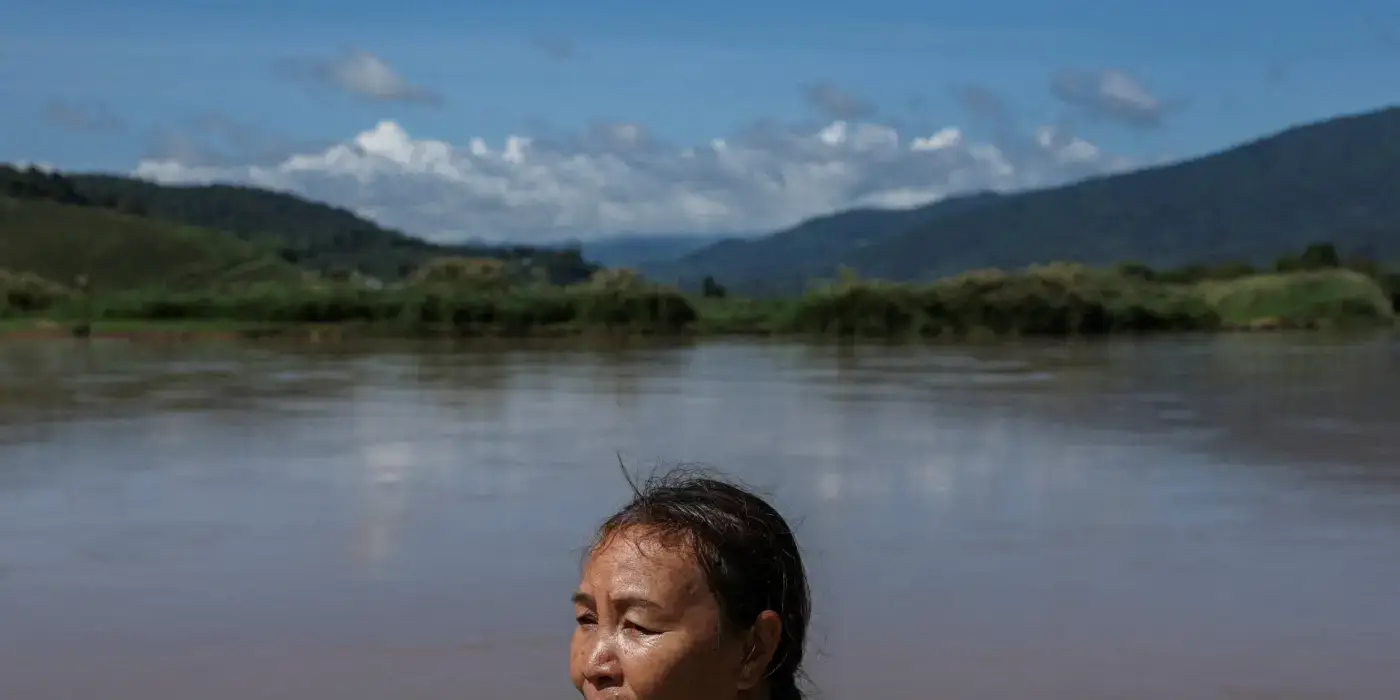
Thai government authorities have raced to provide clean water for more than 20,000 households in northern Thailand after unsafe levels of arsenic, linked to rare earth mining operations in Myanmar, were found in the water supply.
Prime Minister Anutin Charnvirakul late on Tuesday ordered government agencies to find alternative water sources and closely monitor tap water quality in the province of Chiang Rai, according to deputy government spokeswoman Lalida Persvivatana.
Tap water supplies to thousands of homes in 14 villages in Mae Sai district near the Myanmar border were suspended this month after officials found arsenic levels in the local waterworks to be 30 times over the safe limit.
Government authorities also found arsenic contamination in untreated water from the Sai River, a tributary of the Mekong River, at 25 times the limit for drinking water.
Authorities have deployed two trucks to supply residents with clean drinking water, while the government is also considering alternative river water sources.
Researchers at Naresuan University said last week that chemical analysis and satellite modelling traced much of the arsenic-laden sediment in the Sai River to gold mining operations across the border in Myanmar.
A surge in rare earth mining in rebel-held pockets of Myanmar supplying Chinese processing plants is being blamed for toxic levels of heavy metals in Thai waterways, including the Mekong River.
Myanmar’s longrunning civil war enables unregulated exploitation of natural resources, including rare earth elements used in smartphones, wind turbines and electric vehicles.