Could Iran reverse its stated policy of a civil-only nuclear programme?
 1 min read
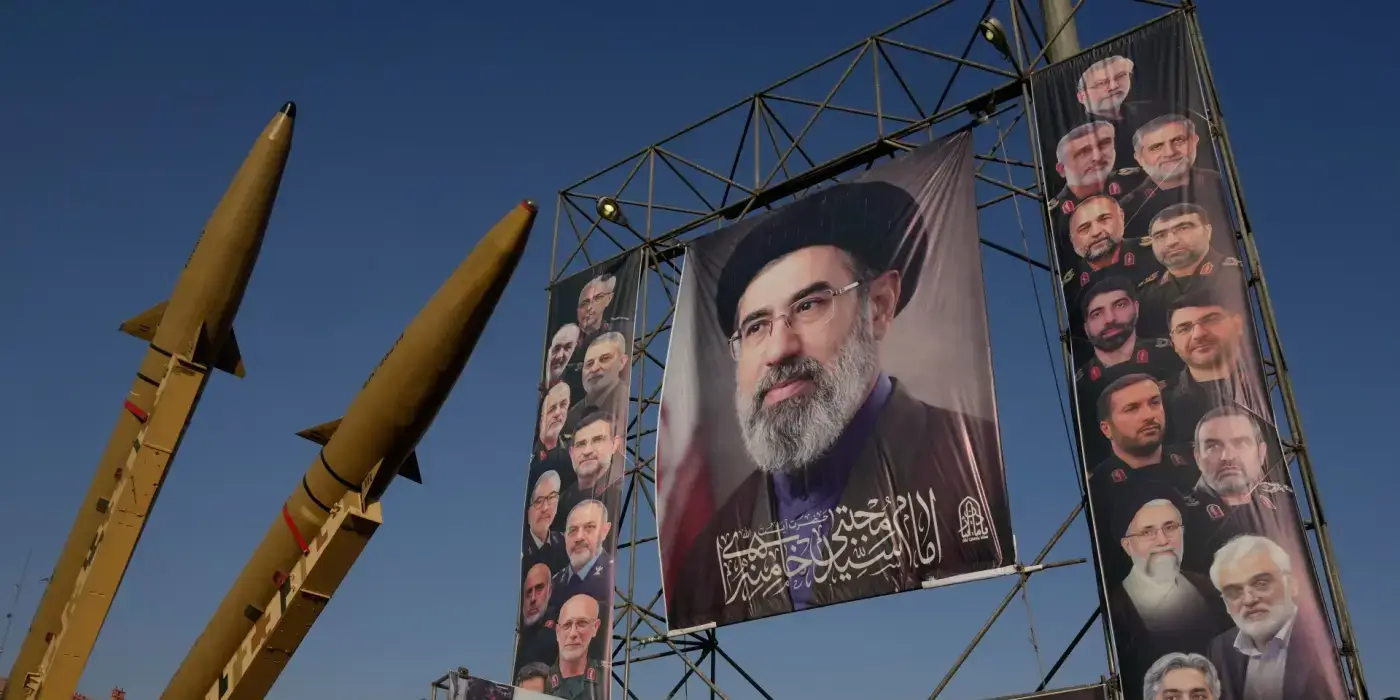
Iran’s Foreign Minister Abbas Araghchi has said the country’s stockpile of enriched uranium will be used according to its needs, “however they are defined”, as he spoke about possible changes to Iran’s longstanding nuclear doctrine.
Araghchi’s comments during an interview with Iranian media on Saturday have increased speculation that Iran may be moving away from its policy of limiting its nuclear programme to civilian purposes amid its conflict with the United States.
The future of Iran’s nuclear programme has become a major sticking point in efforts to end the war, with Washington insisting that it must have guarantees that Iran will never develop a nuclear weapon before it will agree to a full ceasefire.
So, is Iran’s nuclear policy changing, and what could that mean for the conflict?
Iran has consistently maintained that its nuclear programme is for peaceful purposes only, such as for electricity generation, medical research and agriculture.
This policy has been underlined by a decades-old religious decree, or fatwa, issued by the late Ayatollah Ali Khamenei, banning the development of nuclear weapons.
However, Iran has also insisted it has the right to enrich uranium for these purposes under the Treaty on the Non-Proliferation of Nuclear Weapons (NPT), which it joined in 1970. It has called this right “non-negotiable”.
In an interview with Iran’s state-run IRNA news agency on Saturday, Araghchi reiterated that Iran’s stockpile of enriched material would remain inside the country.