Could Russia-Ukraine war threaten Libya’s fragile reunification process?
 1 min read
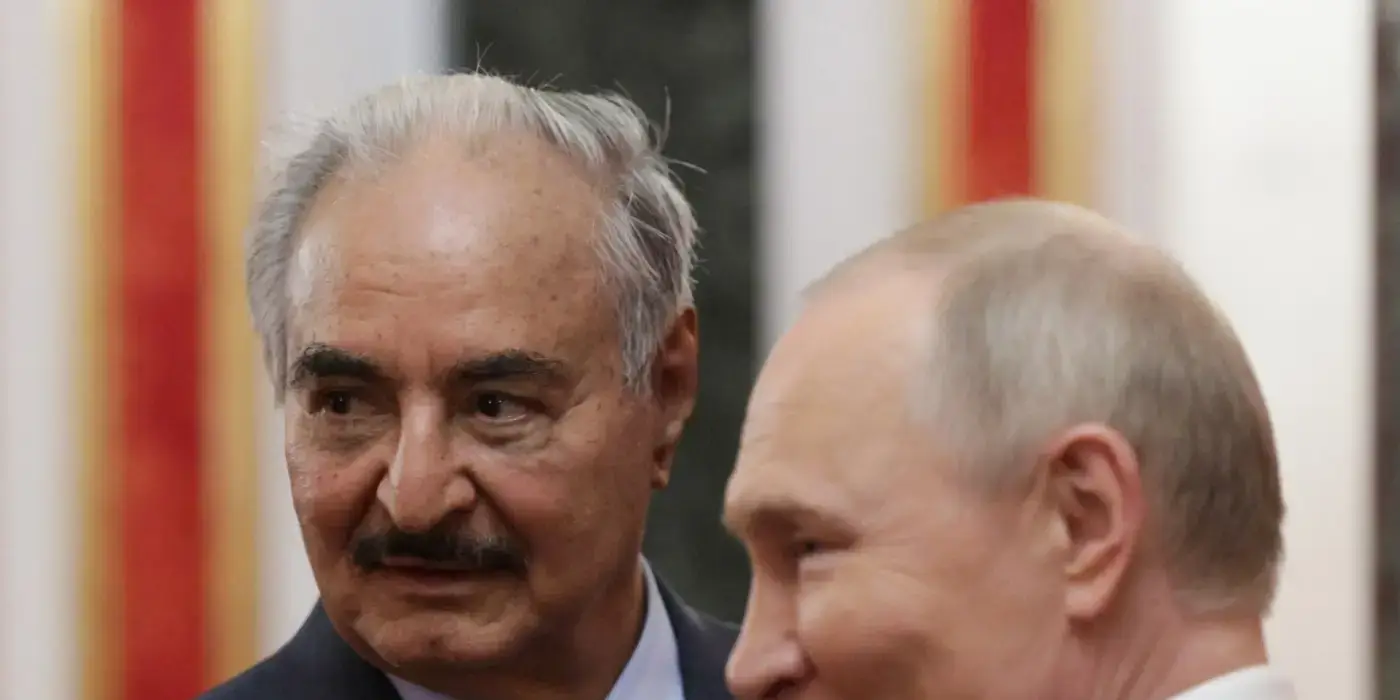
The recent attack on a Russian warship in the port of Benghazi, Libya, has drawn condemnation from both sides of the country’s fractured political landscape.
On Monday, Ukrainian President Volodymyr Zelenskyy took responsibility for the drone strikes on the Russian ship docked in the Libyan port a day earlier.
This led to outcry from Libyan officials from both sides of the political divide, who fear the attack threatens fragile efforts to unify the country after more than a decade of war and division.
Since the fall of longtime leader Muammar Gaddafi in 2011, Libya’s fractious political landscape has settled into two rival administrations currently governing the country: the internationally recognised Government of National Unity (GNU) based in the western city of Tripoli and led by interim Prime Minister Abdul Hamid Dbeibah, and authorities linked to renegade military commander Khalifa Haftar in the eastern city of Benghazi.
Haftar, who had moved to the United States when Gaddafi was still the leader, has long cultivated close ties with Russia. Moscow has allegedly provided his self-described Libyan National Army (LNA) with weapons, mercenaries and diplomatic backing, key to helping him consolidate control over much of the east.
In exchange, Russia has retained a military and logistical foothold in the country, including ports, airfields, storage, maintenance capacity, and overland routes critical to supporting its operations in the rest of Africa.