How Brazil’s mosquitoes are helping to fight dengue
 1 min read
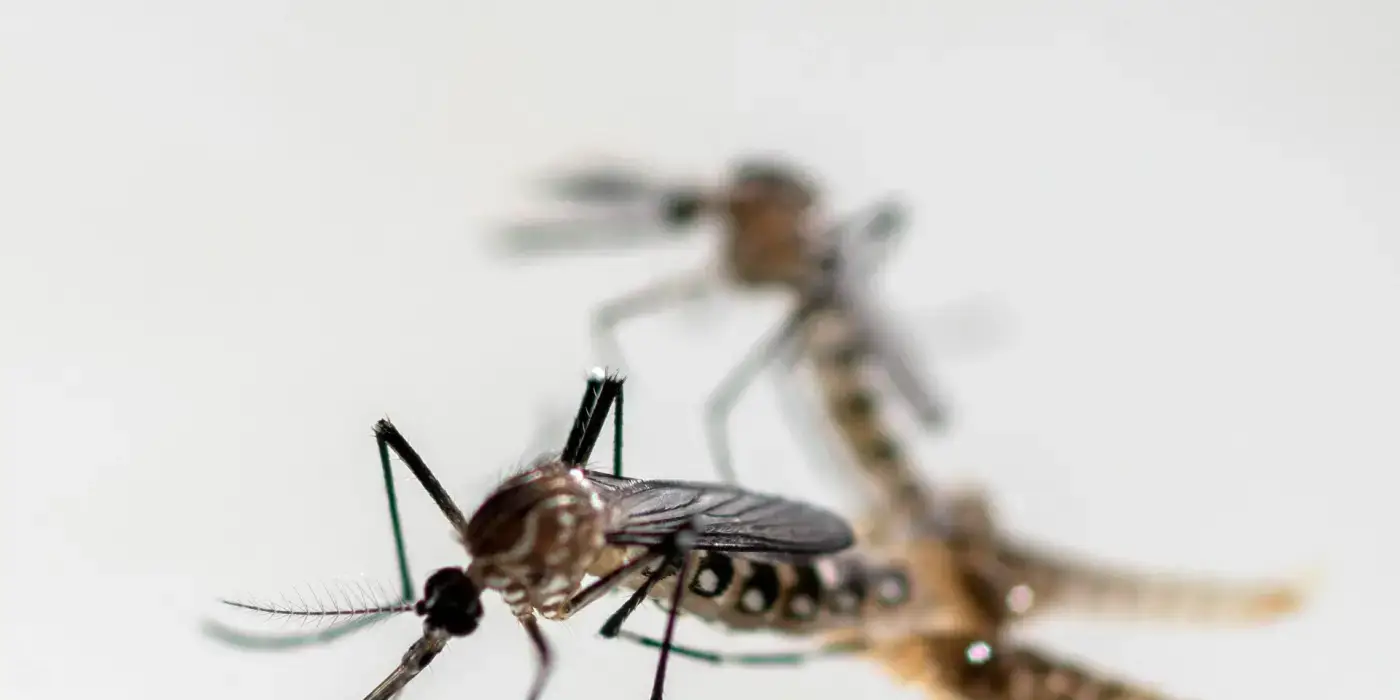
Scientists in Brazil have successfully tested a novel way of battling dengue – by infecting mosquitoes with harmless bacteria instead of killing them or avoiding their sting.
Researchers presented encouraging results on Saturday at an international conference from a major study that tested thousands of children in Brazil, one of the world’s dengue hotspots.
The testing was done after the research team released millions of mosquitoes that had been re-engineered to carry a naturally occurring bacterium called Wolbachia, which makes it harder for viruses like dengue to grow inside them. The tests indicated dengue infections fell by 68.5 percent.
This is the latest effort to re-engineer mosquitoes to fight the diseases they spread to humans. The research findings were released as the US state of Florida grapples with an outbreak of dengue, thought to be one of the biggest in the United States since the 1940s.
“This is really exciting,” David Hamer, a global health expert at Boston University who wasn’t involved in the Brazilian study, told The Associated Press news agency.
Hamer predicted that using more Wolbachia mosquitoes could “knock dengue down to much lower levels” in many places.
An international team of investigators from Brazil’s Ministry of Health, Emory and Yale universities in the US, and the US National Institute of Allergy and Infectious Diseases conducted the study in Belo Horizonte in southeastern Brazil from 2020 to 2024.