In Canada, Quebec’s religious symbols ban faces a Supreme Court test
 1 min read
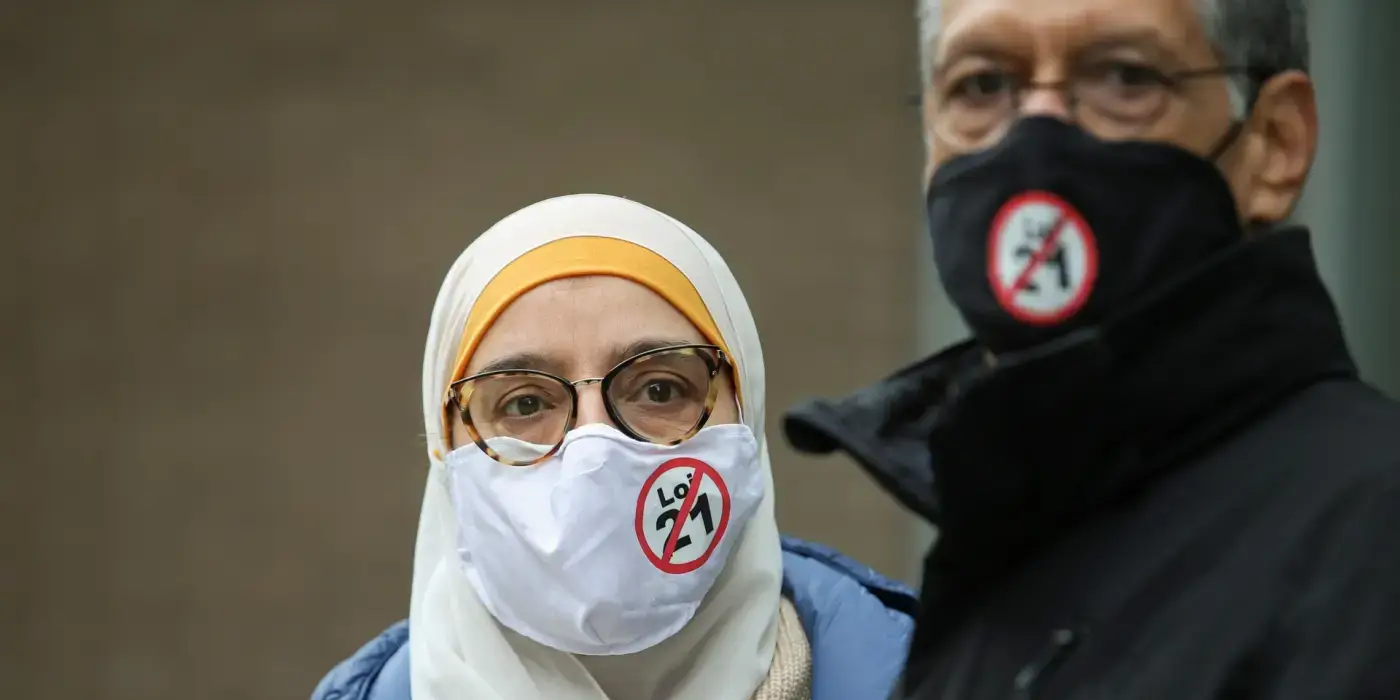
Navien Waly had been volunteering at her kids’ schools, helping out at bake sales and serving on graduation committees, for a decade when she received an email informing her that her presence was no longer welcome.
Under Quebec law, it said, parents who wore religious symbols could no longer volunteer.
Waly had started wearing the hijab four years earlier, at age 40.
She said the email felt like a “slap in the face” and that she struggled to respond when her two younger kids, who had got used to their mother’s presence at school, asked what she had done wrong.
“I’m the same person I was 10 years ago,” she said. “It doesn’t make me any different. I’ve never spoken about my religion.”
The law also upended her plans to return to work. Waly, now 45, had left a career in finance to pursue a career as a specialised educator. She was supposed to start work next year, but now, she says she can’t do the work she was trained for as long as she continues to wear the hijab.
The law behind the email, Bill 94, expanded the restrictions that Quebec first introduced under Bill 21 in 2019. On Friday, Canada’s Supreme Court is set to rule on a challenge to that earlier law, which bans public school teachers, police officers and certain other public officials from wearing religious symbols on the job.
The landmark ruling could also clarify how far governments can go in using a provision of Canada’s Charter of Rights and Freedoms to shield laws from certain rights challenges.
In the seven years since Bill 21 passed, its impacts have been felt across religious minorities but have been particularly devastating for Muslim women.