War and drought threaten livelihoods of Sudan’s farmers
 1 min read
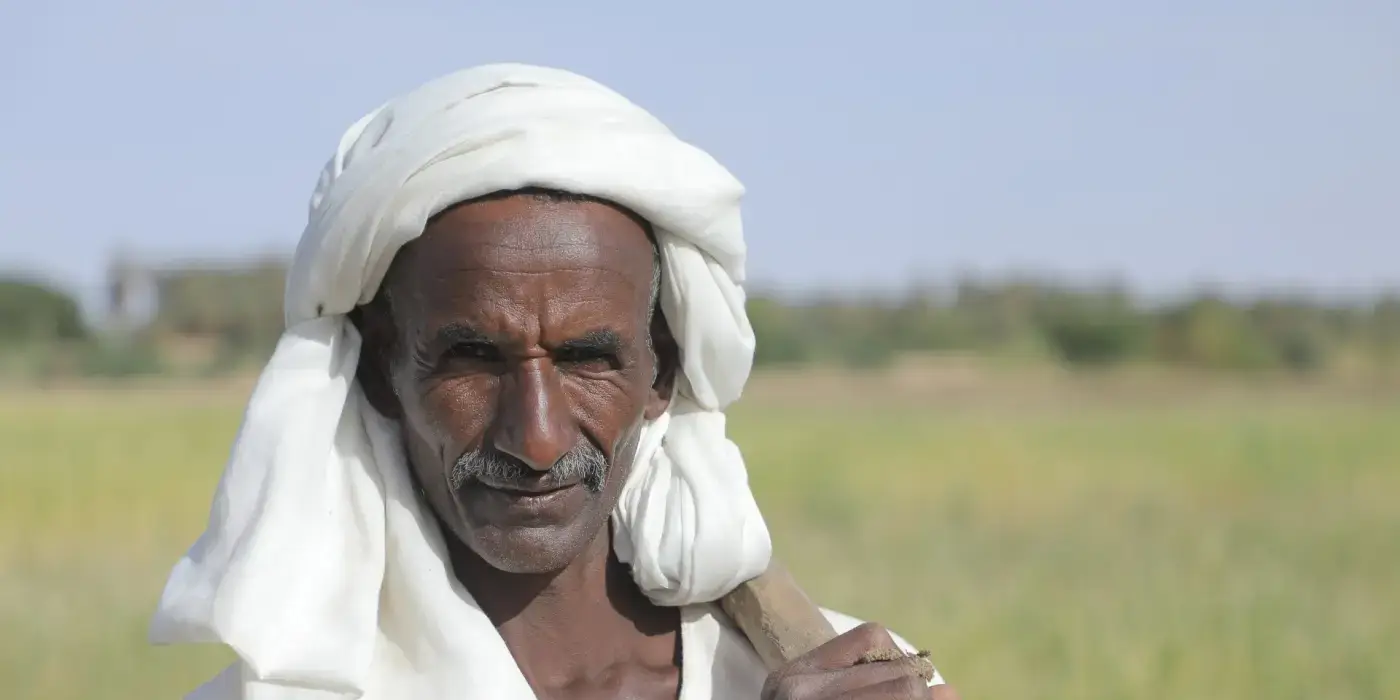
Haider Mohamed has worked as a farmer in Sudan’s Northern State for more than 40 years, growing fava beans, wheat, and a variety of seasonal crops.
But Sudan’s water crisis – a combination of lower-than-average rainfall and war-induced devastation to infrastructure – has severely affected his harvest and his income.
It’s a situation Mohamed describes as unprecedented in his 40 years of farming.
Mohamed owns a small farm covering about four hectares (about 10 acres) in al-Saleem, near the city of Dongola. He keeps part of his harvest to feed his family, and then sells the rest at local markets to cover essential living expenses, including healthcare and his children’s education.
“Our crops were destroyed last year, and this year it is difficult to generate any income because we are still facing electricity and irrigation problems,” Mohamed told Al Jazeera, referring to drone attacks on power stations that disrupted electricity supplies, and regularly stopped him from using electricity-dependent irrigation systems. “We have accumulated a lot of debt, and we fear that we will not harvest enough to feed our children, let alone have any surplus to sell in the market.”
Mohamed’s experience is far from unique. Across Northern State and other parts of Sudan, water shortages caused by declining rainfall or disruptions to irrigation are increasingly threatening agricultural production and the livelihoods of farming communities.
“Those who rely on diesel-powered pumps [for irrigation] cannot find fuel, and when it is available, it is extremely expensive,” Mohamed explained. “We also cannot afford the cost of installing solar-powered irrigation systems. At this rate, no one will be able to continue farming in this country.”