Democrats want to end Trump’s Iran war. But how different are they?
 1 min read
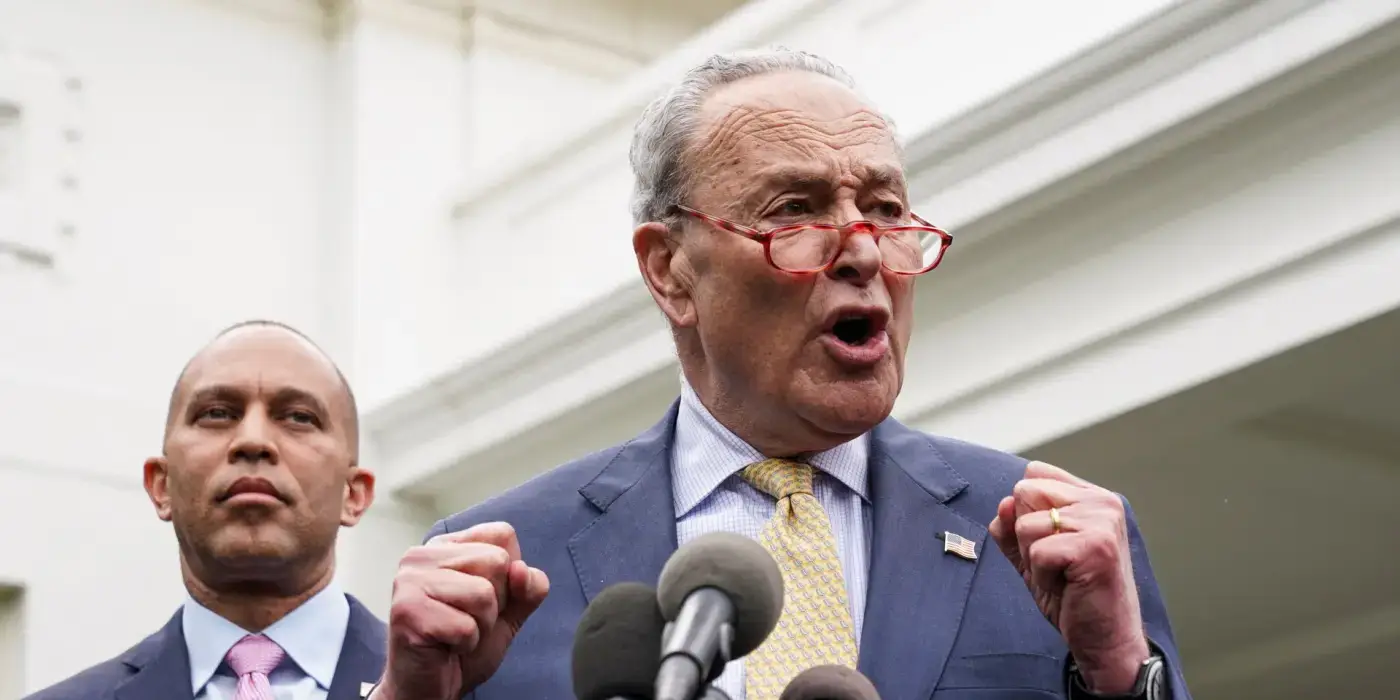
The Democrats’ thumping victory in the United States midterm elections this month came amid widespread public opposition to the US-Israel war on Iran, which has sent energy prices soaring across the country and globally.
Democratic Party leaders, including those regarded as traditionally more hawkish on Iran, have called for an immediate end to the nine-month war.
“We have to work and move aggressively to end the reckless and costly war of choice in Iran right out of the gate,” presumptive incoming House Speaker Hakeem Jeffries said last week, when asked about his priorities come January.
A day after the Democrats’ decisive victory, Senate Minority Leader Chuck Schumer, who opposed the landmark 2015 nuclear agreement with Iran, said Americans did not know “what the heck we’re fighting for in Iran”.
But the Democrats’ electoral triumph has been met with scepticism in Tehran. Iranian Supreme Leader Mojtaba Khamenei has warned that anyone expecting the election outcome to change Washington’s policy towards Iran is “seriously mistaken”.
While Democratic opposition to the war has drawn a distinction between the party and Trump, analysts are sceptical about whether it reflects a fundamentally different approach towards Iran – a country that successive US administrations, Democrat and Republican, have sought to isolate diplomatically and economically.
For much of the period since the 1979 Islamic revolution, hostility towards Iran has superseded partisanship in Washington.