Netanyahu’s corruption trial: Is it really all over?
 1 min read
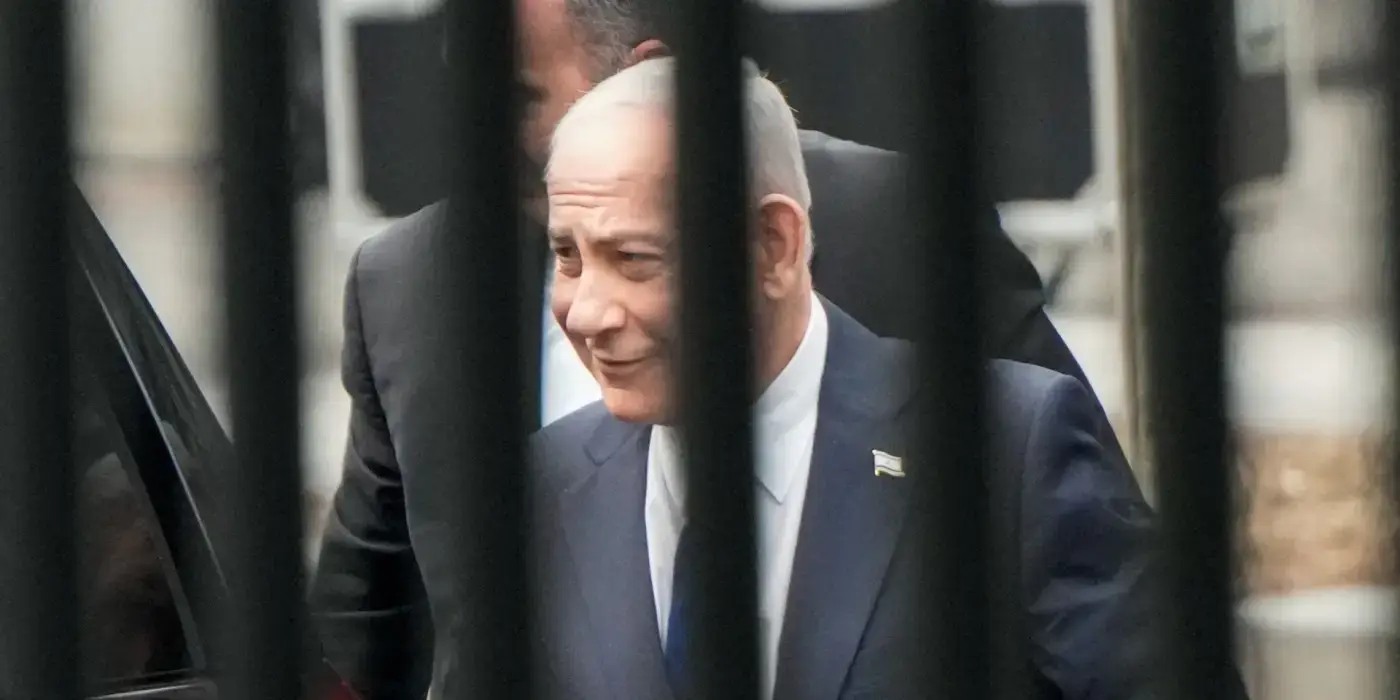
Benjamin Netanyahu got a boost on Wednesday, when judges in his long-running corruption trial recommended dropping the most serious case against him.
Netanyahu, who has been Israel’s caretaker prime minister since October’s election, is fighting to maintain political power as his rival Gadi Eisenkot tries to build a coalition.
He has also been fighting three corruption cases since 2020, when proceedings against him for bribery, fraud and breach of trust began.
In his telling, the trial has dogged his political career, prevented him from forming a government during a chaotic period of repeated elections between 2019 and 2022 and was responsible for “years of terrible suffering” for himself and his family during the investigation and trial.
Much of the evidence against Netanyahu rests on his efforts to secure favourable coverage for himself and his wife, Sara, in the national media.
The first, Case 1000, relates to accusations that he and his wife received gifts and payments in return for political favours. The second, Case 2000, concerns accusations that he struck a deal with Israeli daily Yedioth Ahronoth, whereby he would legislate to limit the commercial activities of their rival Israel Hayom in return for favourable coverage. Another, Case 4000, relates to accusations that he granted favours to telecommunications company Bezeq in return for positive coverage for himself and his wife on a news site owned by the telecoms company’s chair.
Judges, who do not have the power to drop charges themselves, have recommended that the Attorney General and Netanyahu critic Gali Baharav-Miara drop Case 4000, saying the prospects of securing a conviction were low, particularly over the bribery allegations. They also expressed doubts about whether the conduct alleged in Case 2000 constituted a criminal offence – and called for the matter to be reconsidered.